
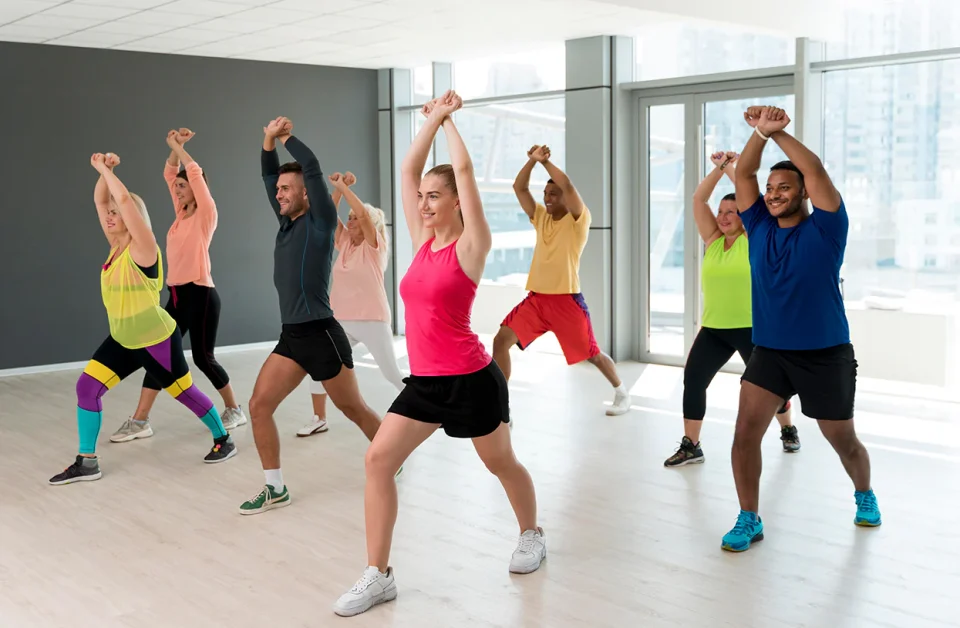
Heart health is often discussed in terms of medical checkups, step counts, and strict exercise routines. Yet for many adults in Singapore, the real challenge is not understanding what is good for the heart. It is sticking to an activity consistently enough to make a difference. Long workdays, family responsibilities, and mental fatigue make traditional cardio feel like another task rather than a solution.
This is where zumba classes singapore quietly stand out as an effective and sustainable option. Zumba improves cardiovascular health through rhythmic movement that feels enjoyable rather than forced. Instead of counting minutes on a treadmill, participants focus on music, coordination, and flow. Over time, this consistency creates meaningful improvements in heart function, stamina, and overall wellbeing.
This article explores how Zumba supports heart health, why it works well for Singapore lifestyles, and how to structure sessions for long-term cardiovascular benefits.
Why Heart Health Matters More Than Ever in Singapore
Modern lifestyles place unique strain on the cardiovascular system.
Sedentary Work Environments
Many jobs involve prolonged sitting, which reduces circulation and increases cardiovascular risk even for people who exercise occasionally.
High Stress Levels
Chronic stress raises resting heart rate and blood pressure. Over time, this places additional load on the heart.
Irregular Activity Patterns
Some people exercise intensely on weekends but remain inactive during the week. This inconsistency limits cardiovascular adaptation.
Ageing Population
As adults age, maintaining heart health becomes critical for energy levels, mobility, and independence.
Regular, moderate-intensity movement is one of the most effective ways to protect heart function.
How Zumba Strengthens the Cardiovascular System
Zumba is not random movement. It creates specific physiological responses that benefit the heart.
Sustained Elevated Heart Rate
Zumba sessions naturally keep the heart rate within moderate to vigorous zones for extended periods. This improves cardiac output and endurance.
Interval-Like Intensity Changes
Dance routines alternate between faster and slower segments. These fluctuations train the heart to adapt efficiently to changing demands.
Improved Oxygen Utilisation
Consistent cardio training increases the body’s ability to deliver and use oxygen, reducing fatigue during daily activities.
Reduced Resting Heart Rate
Over time, regular Zumba practice can lower resting heart rate, a key indicator of cardiovascular fitness.
Why Zumba Feels Easier Than Traditional Cardio
Many people struggle with running or cycling not because of physical limitations, but because of mental resistance.
Music Reduces Perceived Effort
Music distracts from physical strain and encourages rhythmical breathing, making workouts feel shorter and more enjoyable.
Coordination Engages the Brain
Following choreography keeps the mind engaged, reducing boredom and improving workout adherence.
Group Energy Encourages Consistency
Exercising with others increases motivation and reduces dropout rates.
This psychological engagement is a major reason people stay consistent with Zumba, which is essential for heart health.
Managing Intensity for Safe Heart Training
More intensity is not always better. Heart health improves best with controlled effort.
Finding the Right Effort Level
You should be able to speak short sentences during class without gasping. This indicates a healthy training zone.
Avoiding Overexertion
Pushing too hard increases fatigue and recovery time. Sustainable effort builds stronger cardiovascular adaptations.
Gradual Progression
As fitness improves, intensity naturally increases without forcing effort.
Zumba allows participants to self-regulate intensity without stopping the class.
Zumba and Blood Pressure Management
Regular cardio activity supports healthier blood pressure levels.
Zumba helps by:
-
Improving blood vessel flexibility
-
Reducing stress hormones
-
Supporting healthy weight management
-
Encouraging regular movement
Consistency is more important than duration. Even moderate sessions performed weekly can create benefits.
How Zumba Fits Busy Singapore Schedules
Heart health improves when exercise fits life rather than disrupts it.
Zumba works well because:
-
Class timings accommodate working hours
-
Sessions deliver full-body cardio efficiently
-
No equipment preparation is required
-
Enjoyment reduces mental resistance
Training in a structured environment like True Fitness Singapore also supports safe progression and consistent participation.
Supporting Heart Health Outside the Studio
Zumba is most effective when paired with supportive habits.
Daily Movement
Walking, stretching, and light activity between classes support circulation.
Hydration
Proper hydration supports blood volume and cardiovascular efficiency.
Sleep Quality
Rest allows heart rate and blood pressure to recover.
Stress Reduction
Enjoyable exercise lowers stress, which directly benefits heart health.
These habits amplify the benefits gained during class.
Recognising Progress Beyond Fitness Numbers
Heart health improvements are often subtle at first.
Signs of progress include:
-
Reduced breathlessness during daily tasks
-
Improved stamina during classes
-
Faster recovery after exertion
-
More stable energy throughout the day
-
Improved sleep quality
These changes indicate improved cardiovascular efficiency even before visible body changes.
Common Myths About Dance-Based Cardio
“Dance is not real cardio”
Sustained movement with elevated heart rate qualifies as effective cardio.
“You need to run to improve heart health”
Any activity that challenges the cardiovascular system consistently can improve heart function.
“You must exercise daily”
Two to four quality sessions per week are sufficient for heart health.
Zumba meets these criteria when practised regularly.
Real-Life FAQ
Can Zumba improve heart health if I am not very fit?
Yes. Zumba allows intensity adjustment, making it suitable for various fitness levels.
How many Zumba classes per week support heart health?
Two to four sessions per week are effective for most adults.
Is Zumba safe for people with mild blood pressure concerns?
Generally yes, but intensity should be moderated and medical advice followed if needed.
Can Zumba replace traditional cardio workouts?
Yes, if performed consistently and with sufficient intensity.
How long before heart health improvements appear?
Many people notice improved stamina and energy within four to six weeks.
Does Zumba help reduce stress-related heart strain?
Yes. Music and movement help lower stress hormones.
Is Zumba suitable for older adults?
Yes, with movement modifications and controlled intensity.
Should I track heart rate during Zumba?
Optional. Listening to your body is often sufficient, though trackers can be helpful.
