
Key Takeaways
Laser therapy offers a precise way to treat warts, significantly reducing the impact on surrounding skin. Often, fewer sessions are necessary compared to traditional methods. This approach shines best with uncomplicated warts, causing minimal discomfort during treatment.
Cryotherapy utilizes liquid nitrogen to freeze warts, effectively eliminating wart cells. This method is lauded for its speed and convenience. However, achieving the best results might necessitate multiple sessions. After treatment, patients might notice some blistering, which is normal.
Electrosurgery uses electrical currents to remove warts, making it particularly suitable for larger or stubborn cases while lowering the chances of scarring. The quick treatment and instant visible results are appealing features, but proper post-care is crucial.
Essential oils, like tea tree and oregano, hold antiviral properties, acting as natural remedies for managing warts. Clients should ensure these oils are well-diluted and perform patch tests to avoid skin irritation.
Over-the-counter treatments usually contain salicylic acid or freezing agents, with effectiveness varying from person to person. For success, consistent application is essential, and it’s important to understand individual skin reactions when selecting options.
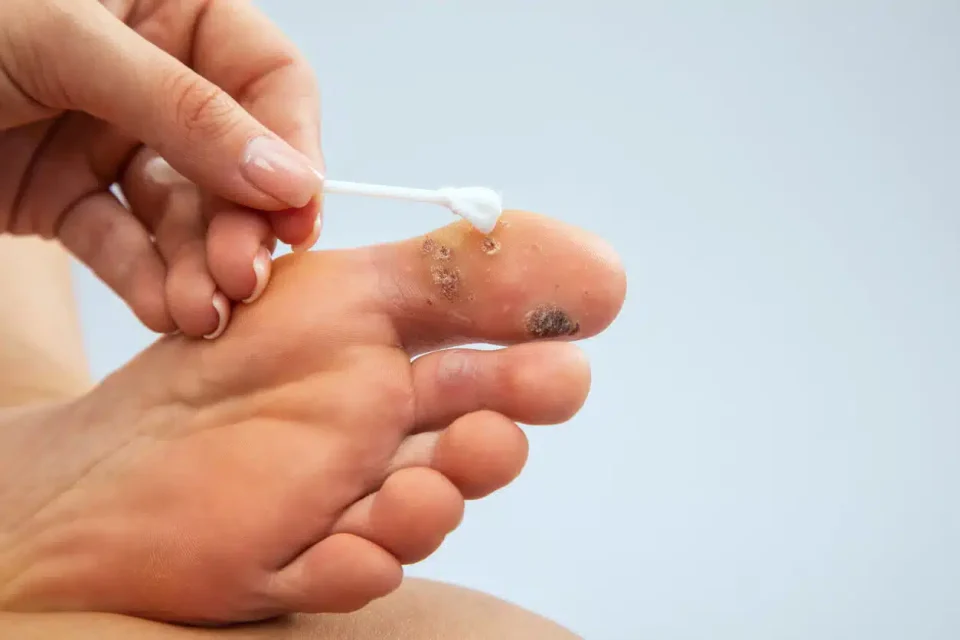
Common warts often appear rough and elevated, whereas plantar warts are painful and found on the soles of feet. Distinguishing between these types is key to effective treatment. Understanding these differences can significantly affect successful management.
Practicing good hygiene is crucial in reducing the likelihood of warts. Regular handwashing and refraining from sharing personal items can make a difference. Additionally, enhancing skin immunity through a healthy diet and exercise can help protect against warts.
Top Clinical Treatments for Warts: Expert Recommendations
Laser Therapy: The High-Precision Approach
Among the various treatments, laser therapy is recognized as a high-precision approach for warts. Focused beams of light target and eliminate wart tissue while preserving surrounding skin. This method is gaining acclaim from professionals, especially for warts that don’t respond to standard treatments. Stubborn growths often lead patients to find this option quite appealing since it typically requires fewer sessions than traditional therapies.
According to experts, those with uncomplicated warts make ideal candidates for laser therapy. A consultation with a dermatologist can help determine suitability. Clients currently undergoing this treatment frequently report minimal pain, describing it as akin to the snap of a rubber band against the skin. While individual results may vary, many clients observe marked improvements.
- Minimal recovery time is a significant advantage.
- High success rates across various wart types.
- Lower chance of recurrence compared to other methods.
Cryotherapy: Freezing Warts Away with Confidence
Cryotherapy entails freezing warts using liquid nitrogen, a method many patients find to be effective for treating warts. The principle is simple: the extreme cold destroys the wart’s cells. This approach is widely embraced in dermatology and often highlighted as a go-to option. Speed is another appreciation point; the procedure typically lasts just a few minutes.
One appealing aspect is that cryotherapy can be administered in a physician’s office. Some blistering may occur post-treatment, but this is generally accepted as a normal physiological response. However, it’s noteworthy that some patients experience warts reappearing after treatment. To achieve optimal results, regular follow-ups or additional sessions may be needed.
- Thoroughly clean the area beforehand.
- Precisely apply liquid nitrogen.
- Keep track of healing and report any concerns.
Electrosurgery: The Power of Electrical Removal
Using electrical currents, electrosurgery removes warts or destroys their tissue. It’s a preferred choice for larger or persistent warts. The power of electrical removal allows for tailored treatment intensity, making this method versatile. Professionals note that electrosurgery works particularly well for patients who’ve not had success with gentler approaches.
Another advantage? Reduced scarring risk. Many worry about scarring from removal methods, but electrosurgery does a good job of minimizing unwanted marks. As is the case with any medical procedure, follow-up care is vital, and experts stress careful monitoring during the healing process.
- Fast treatment times are a hallmark of electrosurgery.
- Patients often see immediate results.
- Healing usually occurs without significant scarring.
At-Home Remedies: Natural Solutions for Wart Management
Essential Oils That Make a Difference
In the realm of natural wart management, essential oils have found their place. Oils such as tea tree and oregano offer an alternative that many deem effective and well-rounded. Studies indicate these oils have antiviral properties, potentially targeting the human papillomavirus (HPV) known to cause many warts. Many users find it simple to apply a small drop on the wart, then cover it with a bandage for better absorption.
However, not every essential oil is created equal. It’s vital to select high-quality products. Diluting essential oils prior to application aids in preventing skin irritation—a common misstep for newcomers. Always performing a patch test before full application is advisable.
- Utilize a carrier oil for dilution.
- Apply directly onto the wart with a cotton swab.
- Cover for overnight absorption.
Over-the-Counter Treatments: What Really Works
The shelves are lined with over-the-counter wart removal products claiming swift results. Among these, salicylic acid is one of the most common ingredients. It works by systematically peeling away layers of the wart. This treatment method often demands time and dedication but can yield positive results for common warts.
Some offerings mimic professional cryotherapy through freezing sprays. However, results can vary significantly; some consumers see improvements quicker than others. Reviewing experiences and recognizing personal skin reactions is crucial to navigating these choices effectively.
- Topical options ensure easy application.
- Freezing solutions act quickly.
- Consistency is crucial for effectiveness.
Common Household Items: What to Use Safely
For those seeking familiar remedies, common household items can often aid in wart treatment. Duct tape, while unconventional, has gained traction among wart removal enthusiasts. Covering a wart with duct tape may gradually suffocate it, potentially promoting healing. While it may seem simplistic, numerous individuals have found success through this DIY tactic.
Vinegar also enters the conversation as a contender. Known to function as a natural exfoliant, it might gradually wear down a wart over time. Nevertheless, caution is warranted; these approaches can sometimes induce irritation or discomfort. Seeking guidance might help clarify safe practices.
- Utilize duct tape for gradual wart removal.
- Dilute vinegar before applying to avoid irritation.
- Monitor closely for any negative reactions.
Understanding Wart Types: Identifying Your Skin Condition
Common Warts vs. Plantar Warts: Key Differences
Understanding the different types of warts is essential for effective treatment. Common warts typically emerge on fingers, elbows, and knees. They’re characterized by roughness and may present in clusters. Conversely, plantar warts are located on the soles of the feet and can be quite painful. Recognizing these distinctions facilitates targeted treatment plans, which can significantly enhance efficacy.
Experts often stress the importance of discerning between subtypes. Plantar warts often hide beneath thick skin, complicating treatment efforts. The pressure from walking frequently causes discomfort, driving patients to seek quicker relief. This distinction is important. Standard treatments for common warts might not suffice for plantar warts.
- Common warts: Rough, raised, and usually painless.
- Plantar warts: Flat and painful when pressure is applied.
- Consultation is usually advised for persistent cases.
Flat Warts: When to Seek Further Help
As suggested by their name, flat warts are smooth lesions that often present in multiples. They tend to be less obtrusive than other types, commonly found on the face or legs. Yet, their presence can undeniably affect confidence levels. Given their multiplicity, seeking further treatment may be warranted. Consulting a dermatologist is advisable for ongoing cases.
Professionals recommend keeping a close eye on these warts. Should they begin to change in shape, color, or show signs of irritation, it’s time to seek professional assessment. Early intervention can often prevent more serious complications.
- Monitor any changes in wart appearance closely.
- Consult a specialist for persistent issues.
- Explore potential treatment options during the visit.
Genital Warts: Understanding Transmission and Treatment
Genital warts pose a unique set of challenges. Caused by specific HPV strains, these warts transmit sexually and can appear in both men and women. Grasping their nature is important for proper treatment and prevention. Healthcare experts frequently offer insights into management strategies. The emergence of these warts can understandably induce anxiety, but actionable treatments are accessible.
Patients are urged to seek advice from medical professionals instead of relying solely on over-the-counter options. Treatment approaches can vary and may include topical prescriptions, cryotherapy, and other clinical techniques. Open dialogue about sexual health and prevention methods remains crucial.
“Regular screening and communication with partners can significantly reduce transmission rates.”
Prevention Strategies: Keeping Warts at Bay
Hygiene Practices That Make a Difference
Preventing warts often proves more effective than treating them. Consistent hygiene practices are fundamental in diminishing wart occurrences. Regular handwashing, especially after contact with potentially infected surfaces, is an effective barrier against transmission. This simple habit carries significant implications for reducing risk factors.
It’s equally important to refrain from sharing personal items like towels or razors. Those with a history of warts should exercise heightened caution. Experts strongly advise being careful in communal settings, such as showers or pools, where HPV can thrive. A proactive approach can yield tremendous benefits in the long run.
- Wash hands frequently and thoroughly.
- Avoid sharing personal belongings.
- Wear flip-flops in public areas.
Building Skin Immunity: Tips for Healthy Skin
A robust immune system can greatly assist in preventing warts. Health professionals often stress the importance of a diet rich in vitamins A, C, and E to promote skin vitality. Incorporating leafy greens, citrus fruits, and nuts can enhance one’s nutritional regimen. Additionally, staying well-hydrated supports skin fortitude.
Regular physical activity contributes to overall immune function. Many individuals discover that embracing a healthy lifestyle leads to fewer wart episodes. Including stress reduction practices can further enhance skin immunity. Ultimately, a fit body reinforces a strong skin barrier.
- Maintain a diet rich in essential vitamins.
- Engage in regular exercise.
- Incorporate stress-reduction activities.
When to Consult a Dermatologist: Signs Not to Ignore
Knowing when to reach out to a dermatologist is vital for effective wart care. Warts that persist despite self-treatment may signal a need for professional help. Experts suggest seeking assistance if warts become painful, change color, or bleed—indications that warrant evaluation.
Dermatologists can provide tailored strategies based on individual cases. Wart treatment shouldn’t feel like a solo endeavor. With proper guidance, patients usually discover relief more swiftly. Recognizing personal boundaries and understanding when to seek expert input is essential. Staying informed is key.
- Carefully monitor persistent wart changes.
- Seek professional assistance for recurring growths.
- Identify new warts for timely management.
FAQ
What are the costs associated with professional wart treatments?
Costs for wart treatments vary significantly based on chosen methods, location, and provider rates. Experts recommend considering the long-term benefits of effective treatments, as the initial investment often leads to considerable skin improvement and reduced recurrence risks.
Are there any specific lifestyle changes to help prevent warts?
Implementing certain lifestyle changes can dramatically lower the risk of warts. Strengthening the immune system through a balanced diet, adequate exercise, and effective stress management can bolster defenses against the human papillomavirus (HPV) responsible for warts.
How might warts affect someone’s confidence or self-esteem?
Warts can significantly impact self-image, especially when located on visible areas like hands or the face. Professionals recognize the importance of addressing warts in a timely manner—not just for physical health, but for fostering emotional well-being and regaining confidence.
What’s the difference in treatment approaches for children compared to adults?
Treatments for children often necessitate a gentler method, considering their sensitive skin and different pain thresholds. Specialists frequently recommend consultations with pediatric dermatologists to explore approaches that effectively balance efficacy and comfort.
How long does it typically take to see results from at-home treatments?
Results from at-home treatments may require several weeks to appear, particularly with consistent use. Clients should commit to the process and remain patient, as many over-the-counter methods are time-dependent for achieving visible results.
Can warts return after successful treatment?
Indeed, the return of warts is possible even post-successful treatment. Experts emphasize the importance of ongoing prevention measures, including good hygiene and strengthening skin immunity, to reduce the likelihood of warts re-emerging.
What role does skin type play in wart treatment effectiveness?
Skin type can influence how various treatments work on warts. Some methods may be more effective for particular skin types than others, which is why experts recommend individualized consultations to ascertain the best treatment paths based on unique conditions.
How can individuals differentiate between warts and other skin lesions?
Distinguishing warts from other skin lesions can be complex. Typically, warts feature a rough texture and often emerge on pressure points, such as hands and feet. Consulting with a dermatologist remains the best approach to ensure accurate identification and effective treatment options.
