
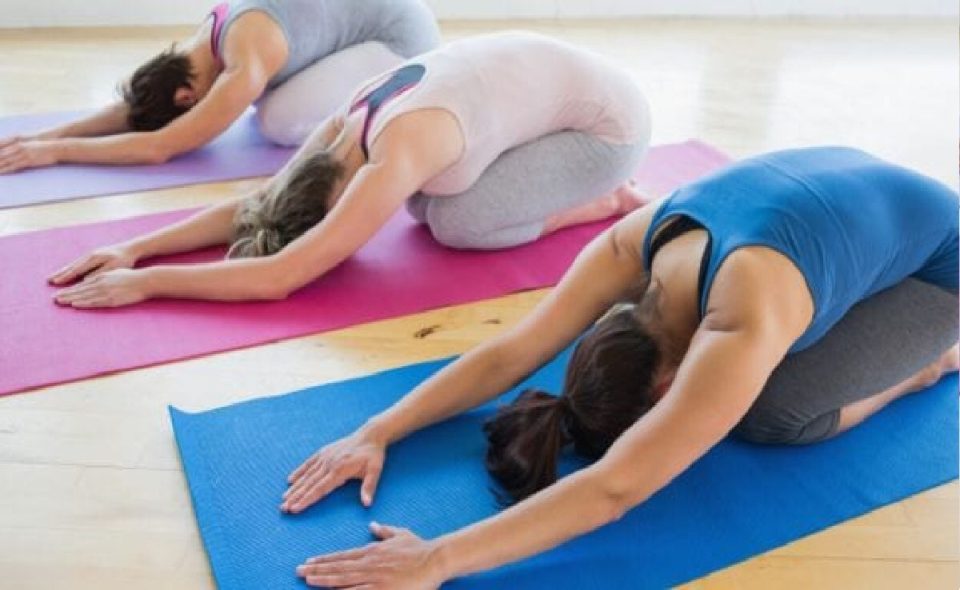
Lower back pain has become one of the most common physical complaints among working adults in Singapore. Long hours at desks, extended screen use, frequent commuting, and reduced daily movement all contribute to stiffness, weakness, and discomfort in the lower back. Many people try random stretches or quick fixes, only to experience short-term relief or even flare-ups. Structured yoga classes offer a more sustainable approach by addressing the deeper causes of sitting-related lower back pain rather than masking symptoms.
This article explores how yoga supports lower back health for people who sit for prolonged periods, focusing on safe movement patterns, strength balance, and real-world application without generic or beginner-level advice.
Why Sitting for Long Hours Triggers Lower Back Pain
Sitting itself is not the enemy. The problem lies in how long and how consistently the body stays in one position.
Muscle Imbalances From Prolonged Sitting
When sitting becomes the dominant posture of the day, certain muscles shorten while others weaken.
Common patterns include:
-
Tight hip flexors pulling the pelvis forward
-
Underactive glute muscles reducing spinal support
-
Overworked lower back muscles compensating for weak core stability
Over time, these imbalances increase strain on the lumbar spine.
Reduced Spinal Movement
The spine is designed to move in multiple directions. Sitting restricts natural spinal motion, reducing circulation and joint lubrication. This makes the lower back feel stiff, achy, or compressed, especially after long workdays.
Nervous System Sensitivity
Persistent discomfort can increase pain sensitivity. Even mild movements may start to feel threatening, leading people to avoid movement altogether, which worsens the cycle.
Yoga works by restoring balanced movement, strength, and confidence in the body.
How Yoga Supports Lower Back Health Safely
Yoga is often misunderstood as stretching alone. In reality, effective yoga for back pain combines mobility, strength, and awareness.
Restoring Hip Mobility to Protect the Spine
Many lower back issues originate from limited hip movement. When hips cannot move freely, the lower back compensates during everyday actions like standing, walking, or bending.
Yoga improves hip flexibility in a controlled way, reducing unnecessary stress on the spine.
Strengthening Supporting Muscles
Strong glutes, deep core muscles, and stabilising back muscles create a protective support system for the spine. Yoga strengthens these areas without excessive load or impact.
Improving Movement Awareness
Yoga encourages mindful transitions rather than rushed movements. This reduces the likelihood of sudden strain and teaches safer ways to move both on and off the mat.
Understanding Pain Versus Discomfort in Practice
One of the biggest fears for people with lower back pain is doing something wrong in class.
Healthy Sensation Versus Warning Signs
Mild muscular effort, warmth, or stretching sensations are normal. Sharp pain, nerve symptoms, or breath-holding are signs to modify or rest.
Yoga teaches participants to recognise these signals early, preventing aggravation.
The Role of Controlled Range of Motion
Yoga does not require extreme flexibility. Working within a comfortable range builds strength and trust without triggering flare-ups.
This approach is especially important for those returning to movement after long periods of inactivity.
Key Movement Areas That Reduce Lower Back Strain
Lower back relief does not come from focusing on the lower back alone.
Hips and Pelvis
Improving hip extension and rotation reduces constant pulling on the lumbar spine. Gentle hip opening movements are often more effective than aggressive back stretching.
Core Stability
The deep core muscles support spinal alignment during both movement and stillness. Yoga strengthens these muscles through controlled poses rather than isolated exercises.
Upper Back and Thoracic Spine
A stiff upper back forces the lower back to overwork. Improving upper spinal mobility distributes movement more evenly across the spine.
Hamstrings and Calves
Tight hamstrings limit pelvic movement, increasing strain on the lower back during sitting and standing transitions.
How Yoga Classes Address Sitting-Related Patterns
A well-structured yoga session balances multiple elements to support back health.
Slow Warm-Ups
Gradual warm-ups increase circulation and prepare the joints safely. This is crucial for people coming straight from a desk.
Balanced Standing Work
Standing poses strengthen the legs and hips, improving overall posture and reducing load on the lower back during daily activities.
Floor-Based Stability Work
Gentle floor-based poses allow focused strengthening and relaxation without spinal compression.
Supported Rest Periods
Rest poses help reset muscle tone and reduce nervous system tension, which often amplifies pain perception.
Studios like Yoga Edition design classes that allow these elements to work together, making them suitable for people managing back discomfort without labelling sessions as beginner-focused.
Preventing Flare-Ups During and After Practice
Consistency matters more than intensity when managing lower back pain.
Avoiding Overstretching
Pushing too deeply into stretches can irritate sensitive tissues. Slow progression leads to more durable improvement.
Respecting Recovery Days
The body adapts during rest. Alternating active days with gentler sessions prevents overload.
Using Props Strategically
Blocks, straps, and bolsters reduce unnecessary strain and allow safer alignment, especially during early stages of practice.
Translating Yoga Benefits Into Daily Sitting Habits
Yoga becomes more effective when its principles are applied beyond class.
Micro-Movements at Work
Small posture changes and brief standing breaks reduce cumulative strain on the lower back.
Improved Sitting Awareness
Yoga increases awareness of pelvic position and spinal alignment, making it easier to adjust posture naturally.
Safer Transitions
Learning how to hinge at the hips instead of rounding the spine protects the back during daily movements like getting up from a chair.
How Long It Takes to See Results
Lower back improvement is usually gradual but reliable with consistent practice.
Early Changes
Within the first few weeks, many people notice reduced stiffness and improved movement confidence.
Medium-Term Progress
After one to two months, strength improvements often lead to fewer flare-ups and better sitting tolerance.
Long-Term Benefits
Sustained practice builds resilience, reducing the likelihood of recurring pain even during busy periods.
Integrating Yoga With Other Physical Activity
Yoga complements other forms of movement rather than replacing them.
Walking and Light Activity
Regular walking supports circulation and reinforces the mobility gained in yoga.
Strength Training Compatibility
Yoga improves joint awareness and flexibility, which can enhance performance in strength-based workouts.
Listening to Fatigue Signals
Overtraining increases pain risk. Yoga encourages balance rather than pushing through discomfort.
Frequently Asked Questions
Q: Should I avoid yoga if my lower back hurts today?
A: Not necessarily. Gentle, well-guided movement often reduces stiffness. Avoid sharp pain and choose slower sessions when symptoms are active.
Q: Can yoga worsen a slipped disc or nerve pain?
A: Yoga should be adapted for nerve-related symptoms. Avoid deep forward bends and twisting without guidance, and consult a healthcare professional if symptoms persist.
Q: Is stretching enough to fix sitting-related back pain?
A: Stretching alone is rarely sufficient. Strength and movement control are equally important, which is why yoga focuses on all three.
Q: How often should I practise yoga for back pain relief?
A: Two to three classes per week combined with light daily movement is a practical starting point for most people.
Q: Can yoga help even if I have had back pain for years?
A: Yes. Long-term pain often responds well to gradual, consistent movement that rebuilds confidence and strength over time.
By addressing muscle imbalances, restoring healthy movement patterns, and improving nervous system regulation, yoga provides a practical and sustainable way to manage lower back pain caused by prolonged sitting.
