
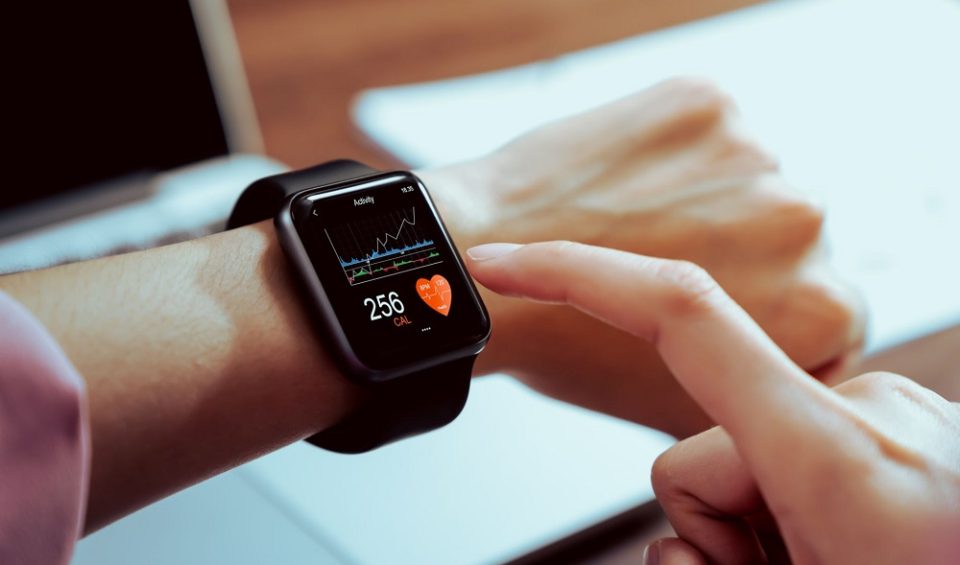
The global perspective on health is undergoing a profound paradigm shift. For generations, the dominant medical model operated on a reactive basis, focusing heavily on diagnosing and treating illnesses after symptoms manifested. Today, the world is moving rapidly toward a proactive, preventive, and deeply personalized wellness framework. Driven by breakthroughs in biotechnology, consumer accessible data, and a growing cultural emphasis on healthspan, which is the period of life spent free from chronic disease, the future of wellness is being redefined.
Modern wellness is no longer defined merely by the absence of sickness or general fitness standards. Instead, it is an integrated ecosystem where individuals use continuous biological feedback, advanced tracking infrastructure, and targeted lifestyle modifications to optimize their physical and cognitive performance. This shift empowers people to take absolute ownership of their biology, paving the way for a healthier and more resilient society.
Hyper-Personalized Nutrition and Metabolic Tracking
One-size-fits-all dietary guidelines are rapidly becoming obsolete. As metabolic science advances, it is increasingly clear that identical meals can trigger vastly different glycemic and inflammatory responses in different individuals. Hyper-personalized nutrition uses real-time biological feedback to determine exactly what an individual body requires to function optimally.
Continuous Glucose Monitoring Beyond Diabetes
Continuous glucose monitors, or CGMs, were originally developed as an essential medical device for individuals managing diabetes. However, these small, arm-worn sensors have successfully crossed over into mainstream wellness. By measuring glucose levels in the interstitial fluid continuously throughout the day, non-diabetic individuals can see exactly how specific foods, sleep deprivation, stress levels, and exercise routines impact their blood sugar stability.
Maintaining stable blood glucose levels prevents the dramatic energy crashes, brain fog, and chronic inflammation associated with glycemic spikes. Over the long term, this metabolic awareness helps mitigate the risk of insulin resistance, cardiovascular complications, and metabolic syndrome.
Microbiome Sequencing and Tailored Diets
The human gut microbiome consists of trillions of microorganisms that influence everything from nutrient absorption and immune function to neurotransmitter production and mental clarity. Emerging health platforms allow consumers to mail in stool samples for comprehensive home DNA sequencing of their gut flora.
By analyzing the specific ratios of beneficial and opportunistic bacteria present in the digestive tract, these platforms generate highly tailored dietary recommendations. Instead of following generic superfood lists, individuals receive precise guidance on which prebiotic fibers, fermented foods, and specific macronutrient ratios will optimize their unique digestive ecosystems.
Advanced Wearables and Continuous Biometric Monitoring
Wearable technology has evolved far beyond basic step counters and primitive calorie trackers. The modern wearable ecosystem provides clinical-grade biometric tracking that offers a continuous window into the autonomic nervous system.
The Rise of Autonomic Nervous System Insights
Modern smartwatches, rings, and bands track complex biometrics that reveal systemic recovery and strain levels.
-
Heart Rate Variability: This metric measures the variation in time between consecutive heartbeats. A higher heart rate variability indicates a resilient, well-rested nervous system capable of adapting to stress, while a suppressed reading flags systemic fatigue or impending illness before physical symptoms occur.
-
Sleep Architecture Metrics: Advanced sensors track movement, heart rate, and respiratory patterns to break down sleep cycles into light, deep, and rapid eye movement stages. This allows individuals to modify their evening habits to maximize restorative deep sleep.
-
Blood Oxygen and Temperature Tracking: Continuous blood oxygen tracking and skin temperature variations provide early warning signs of respiratory infections or hormonal shifts, allowing for early therapeutic interventions.
Non-Invasive Biomarker Sampling
The next frontier of wearable tech involves monitoring biomarkers beyond heart rate. Emerging sensor arrays are beginning to analyze sweat or interstitial fluid non-invasively to track real-time hydration metrics, lactic acid accumulation during workouts, and even systemic cortisol fluctuations. Having access to continuous stress and fatigue data allows professionals and casual enthusiasts to tailor their daily workloads, avoiding burnout and overtraining syndromes entirely.
Proactive Longevity and Cellular Health Optimization
The traditional focus on expanding lifespan is being replaced by an intense dedication to optimizing healthspan. Scientists and wellness practitioners are focusing on the cellular mechanisms of aging, seeking ways to repair damage and maintain cellular youthful vitality over decades.
Cellular Rejuvenation Strategies
Research into cellular senescence, where aging cells stop dividing but refuse to die, secreting inflammatory molecules that damage surrounding tissues, has led to a surge of interest in cellular preservation.
Supplements aimed at boosting Nicotinamide Adenine Dinucleotide, a vital coenzyme found in every living cell that declines naturally with age, have become incredibly popular. This molecule is essential for cellular energy production, mitochondrial health, and DNA repair mechanisms, making its optimization a key pillar of modern longevity regimens.
Hormetic Stress Applications
Hormesis is a biological phenomenon where brief, controlled exposure to low-dose stressors triggers a powerful protective adaptive response within the body. Modern wellness centers and home routines are heavily integrating these principles.
Thermal therapies, such as combining high-heat infrared saunas with deliberate cold exposure in ice baths, force the cardiovascular and endocrine systems to adapt rapidly. This process stimulates the production of heat shock proteins, accelerates cellular autophagy, which is the clearing out of damaged cellular components, and drastically reduces baseline systemic inflammation.
Integrated Mental Fitness and Neurological Health
True wellness requires absolute parity between physical health and mental resilience. The historical stigma surrounding mental health has dissolved into a proactive movement focused on cognitive enhancement, emotional regulation, and neurological longevity.
Tech-Assisted Neurofeedback and Breathwork
While meditation has been practiced for thousands of years, modern technology introduces objective measurements to internal mental practices. Electroencephalography headbands allow users to see their brainwave activity in real time via smartphone applications.
By observing when their minds enter calm alpha or theta states versus anxious beta states, individuals learn to replicate states of deep focus and relaxation consciously. Similarly, guided biometric breathwork apps use visual pacing to synchronize breathing with heart rhythms, instantly shifting the body out of a sympathetic fight-or-flight state into a parasympathetic recovery state.
Circadian Rhythm Optimization Ecosystems
As sleep science gains mainstream recognition, optimization of the circadian rhythm, the internal twenty-four-hour biological clock, has become a massive wellness trend.
Consumers are redesigning their living environments using dynamic smart lighting systems that mimic natural sunlight patterns, emitting bright blue-enriched light in the morning to stimulate cortisol production and shifting to warm, amber light in the evening to allow for natural melatonin synthesis. This environmental alignment dramatically improves sleep latency, deep sleep duration, and waking cognitive performance.
Decentralized Healthcare and Digital Wellness Networks
The traditional barrier between consumers and medical insights is dissolving completely. Healthcare is becoming highly decentralized, moving away from centralized hospital networks and into the home environment.
At-Home Diagnostic Testing
Consumers no longer need to wait for an annual physical to gain insights into their blood chemistry. Direct-to-consumer laboratory testing allows individuals to order comprehensive blood panels at home.
By tracking hormone balances, lipid subfractions, vitamin deficiencies, and inflammatory markers like highly sensitive C-reactive protein multiple times a year, individuals can adjust their supplementation, exercise, and nutritional protocols in real time, long before sub-clinical deficiencies turn into chronic medical issues.
Artificial Intelligence Triage and Guidance
Artificial intelligence is democratizing health literacy. Sophisticated algorithms can analyze historical wearable data, daily symptom inputs, and dietary logs to provide personalized health insights. While these tools do not replace qualified medical practitioners, they serve as highly intelligent health companions, helping individuals identify subtle patterns in their health data, flag anomalies, and prepare comprehensive biometric summaries for their next physician visit.
Frequently Asked Questions
What is the mechanical difference between an infrared sauna and a traditional steam sauna?
A traditional steam sauna uses an electrical element or wood stove to heat the air inside the room to high temperatures, typically between one hundred eighty and two hundred degrees Fahrenheit, which in turn heats the surface of your skin through ambient contact. An infrared sauna uses light waves to penetrate deep into body tissues directly without heating the surrounding air excessively. This direct cellular penetration induces a vigorous sweat at much lower, more comfortable air temperatures, generally between one hundred twenty and one hundred fifty degrees Fahrenheit, making it far more tolerable for prolonged recovery sessions.
Why does a high heart rate variability indicate a healthy stress response system?
Heart rate variability is controlled by the autonomic nervous system, which is split into the sympathetic fight-or-flight branch and the parasympathetic rest-and-digest branch. When you are rested and recovered, both branches are constantly sending signals to your heart, creating small, healthy variations in the timing between beats. If you are highly stressed or physically compromised, the sympathetic branch dominates, forcing the heart to beat like a rigid metronome with very little variation between beats. Therefore, high variability indicates a flexible, balanced system ready to handle environmental challenges.
How does cellular autophagy contribute to long-term physical longevity?
Cellular autophagy is the body internal recycling mechanism. Over time, cellular components like proteins and mitochondria become damaged, inefficient, or mutated due to metabolic stress and environmental exposure. During periods of fasting, intense exercise, or thermal shock, the body initiates autophagy, breaking down these defective cellular parts and reusing the raw materials to construct fresh, highly efficient cellular structures. This clearing process prevents the accumulation of toxic cellular debris associated with premature aging and degenerative conditions.
Can at-home genetic tests predict exactly which chronic diseases an individual will develop?
At-home genetic wellness tests cannot predict future diagnoses with absolute certainty. Instead, they identify specific single nucleotide polymorphisms, which are tiny genetic variations that may increase or decrease your relative susceptibility to certain conditions, such as cholesterol processing variations or nutrient absorption challenges. This information does not represent a medical diagnosis. Instead, it serves as an educational roadmap, highlighting your inherent biological vulnerabilities so you can implement specific environmental and lifestyle changes to prevent those genes from expressing negatively.
What is the physiological purpose of zone two cardiovascular training in longevity?
Zone two training refers to low-intensity cardio exercise performed at a pace where an individual can maintain a continuous conversation without gasping for air. At this specific intensity, the body relies almost exclusively on fat oxidation rather than carbohydrates for fuel, which stimulates the growth and efficiency of mitochondria inside muscle cells. Enhancing mitochondrial density and health improves metabolic flexibility, lowers resting heart rate, reduces systemic insulin requirements, and creates a highly resilient cardiovascular foundation essential for active aging.
How does blue light exposure in the evening specifically disrupt human sleep quality?
The human eye contains specialized photosensitive retinal ganglion cells that are highly sensitive to blue light wavelengths around four hundred eighty nanometers, which are abundant in natural daylight and digital screens. When these cells detect blue light after sunset, they signal the suprachiasmatic nucleus in the brain that it is still daytime. This signal completely suppresses the natural secretion of melatonin, the hormone responsible for initiating the biological transition into sleep. This delay shifts your circadian clock, making it harder to fall asleep and significantly reducing the duration of deep, restorative sleep stages.
