
Understanding the Role of the Combustion Chamber in Engine Performance
What Happens Inside Your Engine’s Combustion Chamber?
The combustion chamber is a critical component of an internal combustion engine, where the energy transformation that powers your vehicle occurs. This enclosed space is where the air-fuel mixture is ignited, creating a series of controlled explosions that drive your engine’s pistons. Depending on the engine design—be it gasoline or diesel—conditions such as pressure, temperature, and fuel characteristics can vary widely. When the pistons move, they convert the combustion energy into mechanical work, propelling the vehicle forward. This intricate process involves precise timing and the right mixture of air and fuel to maximize performance and minimize waste. A well-functioning combustion chamber is essential not only for power output but also for the overall efficiency of the engine.
The Impact of Air-Fuel Mixture on Efficiency
The air-fuel mixture is the very lifeblood of your engine’s combustion chamber. An optimal combination of air and fuel enables complete combustion, which results in higher power output and better fuel economy. When the ratio of air to fuel is too low (rich mixture) or too high (lean mixture), it can lead to incomplete combustion, which in turn increases harmful emissions, reduces efficiency, and may lead to engine knocking or misfires. Modern engines often employ various sensors and electronic controls to fine-tune this mixture; however, external factors such as clogged injectors or dirty intake valves can hinder the system’s ability to maintain an optimal balance. The result is often reduced acceleration, increased fuel consumption, and a less responsive engine.
How Carbon Buildup Affects Performance and Emissions
Carbon buildup in the combustion chamber is one of the most common problems that significantly impair engine performance. Over time, residue from incomplete combustion, fuel additives, and even engine oil deposits can accumulate, forming carbon deposits. These deposits can disrupt the flow of the air-fuel mixture, leading to performance issues such as misfires, rough idling, sluggish acceleration, and increased emissions. Moreover, carbon buildup can cause pre-ignition and knocking, which can severely damage engine components. Modern emissions standards require stricter control over pollutants, meaning that a clean combustion chamber is not just advantageous for performance; it’s essential for compliance with regulations.
The Science Behind Combustion Chamber Cleaners
Ingredients That Make It Work: What’s Inside a Cleaner?
Combustion chamber cleaners are formulated with a blend of chemicals designed to break down carbon deposits and facilitate their removal. Common ingredients include detergents such as polyether amines, solvents like toluene or xylene, and specific additives that target varnish and carbon buildup. These compounds work synergistically to penetrate and dissolve carbon formations, making them easier to remove through normal engine operation. While many cleaners are designed for specific applications or engine types, others are tailored to be more universal, suitable for a range of vehicles. Understanding these ingredients is crucial for selecting the right cleaner for your engine’s specific needs.
How Do These Cleaners Combat Carbon Deposits?
The efficacy of combustion chamber cleaners lies in their ability to address carbon deposits at a molecular level. When introduced into the combustion chamber, these cleaners vaporize during normal engine operation, allowing them to engage directly with stubborn carbon deposits. The solvents present in the formulation dissolve these deposits, while the detergents suspend them in the engine oil or blow them out through the exhaust. This dual action ensures that the engine can maintain optimal airflow and combustion efficiency. Scientific studies have shown that regular use of combustion chamber cleaners can help restore lost horsepower and enhance fuel efficiency, making them a cost-effective solution for maintaining engine health.
Exploring Different Types of Combustion Chamber Cleaners
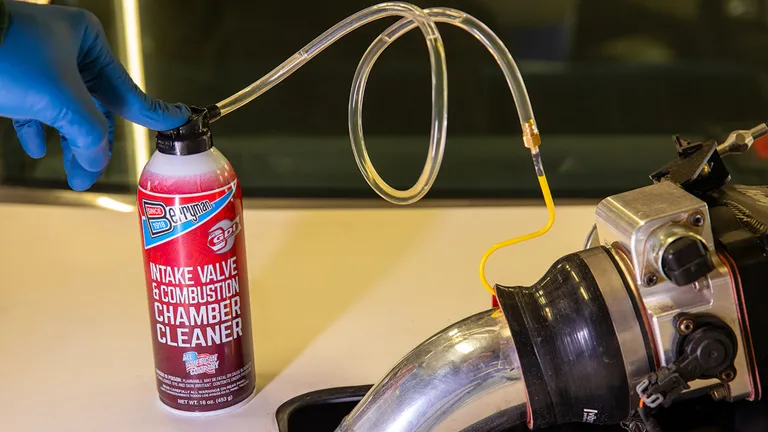
There are several types of combustion chamber cleaners available on the market, each designed for specific applications or engine types. Liquid cleaners, often poured directly into the fuel tank, are widely used for routine maintenance and can be effective in preventing buildup before it starts. Aerosol cleaners, applied directly into the throttle body or intake manifold, target existing deposits and can provide an immediate clean during engine operation. Professional-grade cleaners are often used in automotive shops and contain more potent formulations designed for severe buildup. It’s important for vehicle owners to understand the differences among these options to make an informed choice—considering both their vehicle’s needs and the cleaner’s intended use.
How to Use Combustion Chamber Cleaner Effectively
Step-by-Step Guide to Application
Using a combustion chamber cleaner correctly can enhance its effectiveness and maximize the benefits. Here’s a step-by-step guide to help you through the process: First, ensure your engine is at normal operating temperature, as warmer components can facilitate the cleaner’s vaporization. Then, depending on the type of cleaner, either add it to the fuel tank or spray it directly into the intake. If applying through the intake, adhere to the manufacturer’s instructions carefully, as excessive amounts can cause misfire or stalling. Run your engine at various RPMs during this process to ensure good mixing. Finally, let the engine idle for a short period after application, allowing the cleaner to work its magic on the deposits. Always remember to follow safety precautions, including wearing gloves and safety goggles.
Best Practices for Maximum Cleaning Efficiency
For optimal results, consider using combustion chamber cleaner as part of a broader maintenance regimen. This may involve pairing with regular oil changes, timely air filter replacements, and keeping fuel injectors clean. Consider cleaning the combustion chamber every 6,000 to 10,000 miles, depending on your driving habits, fuel quality, and the type of engine you operate. Using good quality fuel with sufficient detergents can also help reduce carbon buildup between cleanings. Additionally, experimenting with different brands and formulations may yield better results depending on your vehicle’s specific needs.
Common Mistakes to Avoid When Using Cleaners
Many vehicle owners make mistakes when using combustion chamber cleaners that can lead to suboptimal results. One common error is improper application; for instance, failing to follow the recommended dosage can diminish effectiveness or lead to issues such as engine stalling. Another mistake is neglecting to service the engine for longer intervals, leading to more severe buildup and requiring more aggressive cleaning methods. Additionally, using the wrong type of cleaner—such as those meant for diesel engines applied to gasoline engines—can result in damage or poor performance. Always read product labels and, when in doubt, consult a professional mechanic for guidance.
The Long-Term Benefits of Regular Maintenance with Combustion Chamber Cleaner
Enhancing Fuel Efficiency and Engine Lifespan
Regular maintenance, including the use of combustion chamber cleaners, offers significant long-term benefits, particularly in enhancing fuel efficiency and prolonging engine lifespan. Utilizing these cleaners can help maintain the integrity of the combustion chamber, thus preventing carbon deposits from increasing. This proactive approach contributes to better fuel economy as the engine operates more smoothly and efficiently with optimal airflow. Over time, this can translate into considerable savings at the fuel pump, while also reducing wear and tear on engine components. A cleaner combustion environment also tends to foster better thermal management, which ultimately leads to a more durable engine and fewer mechanical failures.
Cost-Effectiveness: Is It Worth the Investment?
The cost of combustion chamber cleaners should be viewed in the context of overall vehicle maintenance. While the initial expense of purchasing a good-quality cleaner may seem trivial, its long-term benefits far outweigh the cost. Improved fuel efficiency can lead to significant savings over time, especially for those who drive frequently or long distances. Moreover, regular cleaning can help avert costly repairs associated with severe carbon buildup, such as the need for valve or piston replacement. Considering that a well-maintained engine is generally more valuable in the resale market, investing in cleaning products could positively impact your vehicle’s overall worth.
Real-World Success Stories: Transformations Worth Sharing
Real anecdotes from vehicle owners illustrate the transformative effects of using combustion chamber cleaners. Many users report noticeable improvements in engine performance, such as increased horsepower and responsiveness after a thorough cleaning. For instance, one owner of a high-mileage sports car experienced a 15% boost in fuel efficiency following a treatment regimen with a high-quality cleaner, coupled with a professional carbon removal service. Mechanics frequently share instances of vehicles that were saved from severe engine repairs simply through regular cleaning processes. These stories not only underscore the efficacy of combustion chamber cleaners but also highlight the importance of preventive maintenance for ensuring long-term vehicle health.
FAQ
Question: How often should I use a combustion chamber cleaner?
- It is recommended to use a combustion chamber cleaner every 6,000 to 10,000 miles, depending on driving habits, fuel quality, and engine type. Regular use can help prevent buildup and maintain engine performance.
Question: Can combustion chamber cleaners be used in diesel engines?
- Yes, there are specific combustion chamber cleaners formulated for diesel engines. It’s important to use a cleaner that matches your engine type to avoid potential damage.
Question: Are there any environmental concerns with using combustion chamber cleaners?
- Many combustion chamber cleaners are designed to comply with environmental regulations, but it’s essential to choose products that minimize harmful emissions and follow usage instructions to reduce any environmental impact.
Question: What are the signs that my engine might need a combustion chamber cleaner?
- Common signs include rough idling, misfires, decreased fuel efficiency, and sluggish acceleration. If you notice these issues, it may indicate carbon buildup in the combustion chamber.
Question: Can I use a combustion chamber cleaner with any type of fuel?
- It is generally best to use combustion chamber cleaners with gasoline or diesel fuels as specified in the product guidelines. Mixing with alternative fuels may not yield the desired cleaning results.
Question: Will using a combustion chamber cleaner void my vehicle’s warranty?
- Using combustion chamber cleaners according to manufacturer instructions typically does not void vehicle warranties; however, it’s advisable to check your warranty’s terms or consult with your dealer for specific guidelines.
Question: How do I know which combustion chamber cleaner is best for my vehicle?
- Look for cleaners that are designed for your specific engine type and check for endorsements or recommendations from automotive professionals. Reading product reviews can also help inform your decision.
Question: Is it safe to use a combustion chamber cleaner without professional assistance?
- Yes, many high-quality combustion chamber cleaners can be safely used by vehicle owners. However, ensure you follow the application instructions carefully to avoid potential issues and consider consulting a professional if unsure.
Useful Resources
- Edmunds
- Car and Driver
- AutoTrader
- Hagerty
- Consumer Reports
- NACE Autocare
- com
- ASE (National Institute for Automotive Service Excellence)
