
The Art and Science Behind Mechanical Puzzle Parking
Understanding the Mechanics: How Do They Work?
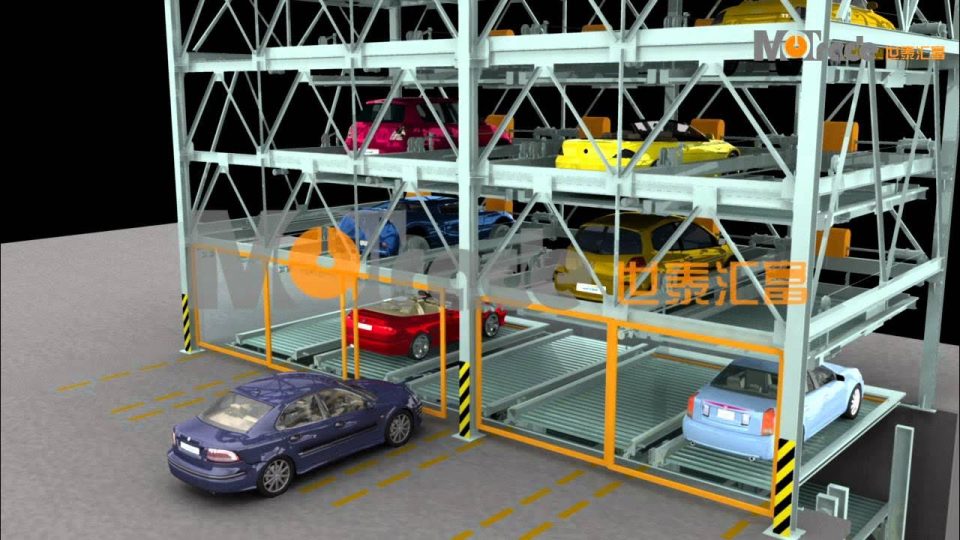
Mechanical puzzle parking systems are a brilliant synthesis of engineering, design, and technology. At their core, these systems are designed to automatically park vehicles using mechanical contraptions, optimizing space and minimizing the need for human intervention. The workings of these systems typically involve a series of platforms on which cars are moved, rotated, and stored. As vehicles enter the system, a computer-controlled interface identifies the car’s dimensions, subsequently programming the intricate conveyor and lift systems to navigate the car into an available space without significant driver input.
The mechanics can vary widely; some systems utilize rotating platforms, while others deploy vertical lifts or tilting stacks. With advanced sensors and AI algorithms, these systems ensure precision in distance measurement and environmental awareness, minimizing the risk of damage to the vehicle or surrounding infrastructure. Not only do these mechanisms facilitate smooth parking operations, but they also significantly reduce human error, making mechanical puzzle parking an attractive option in densified urban areas.
The History of Mechanical Parking Solutions: From Invention to Innovation
The concept of mechanical parking can be traced back to the early 20th century. The first patent for an automatic parking device was filed in 1914, laying the foundation for what would evolve into the systems we see today. These early innovations were rudimentary, often comprising simple lifts and conveyors, but they marked a significant step toward addressing the increasing congestion of urban spaces.
Over the decades, the mechanical parking industry has experienced numerous breakthroughs — from the advent of hydraulic lifts in the 1970s to the integration of computer systems in the late 1990s. Each iteration has been a response to the growing demand for more efficient use of space as city populations burgeoned, necessitating new solutions to longstanding parking woes. Today, cities like Tokyo, New York, and San Francisco are veritable showcases of mechanical parking structure evolution, blending cutting-edge technology with innovative architectural design.
Modern Technology Meets Design: The Evolution of Systems
Recent advancements in technology have catalyzed the evolution of mechanical puzzle parking systems, marrying aesthetics with function. Automation is at the forefront, with systems increasingly employing IoT (Internet of Things) technologies allowing real-time monitoring and communication with users via mobile applications. For instance, parking availability can be communicated instantly to drivers, providing real-time updates that streamline the parking experience.
Moreover, modern designs often prioritize user experience, integrating user-friendly interfaces and visually appealing aesthetics that complement their surroundings. The structural designs now often utilize premium materials and eco-friendly practices, generating sustainable parking solutions that can reduce the carbon footprint for urban areas. As mechanical puzzle parking systems continue to evolve, they exemplify how technology can harmonize with human needs, creating spaces that are not only functional but also harmoniously integrated into urban landscapes.
Navigating the Benefits of Mechanical Puzzle Parking Systems
Space-Saving Solutions: Maximizing Urban Landscapes
One of the most significant advantages of mechanical puzzle parking systems is their ability to save space. Traditional parking methods require wide aisles and extensive maneuvering space, often leading to wasted areas in urban settings. Conversely, mechanical systems can accommodate more vehicles in a smaller footprint by staggering and stacking vehicles in a compact structure. This innovative use of space allows cities to combat urban sprawl effectively by optimizing existing land use.
Statistically, mechanical parking can yield a parking density increase by up to 60% compared to conventional parking facilities. Such efficiency enables city planners to allocate land for parks, residential areas, or commercial space rather than just parking lots. By maximizing the resources available, these systems contribute significantly to more sustainable urban environments, reducing the need for expansive developments that might encroach on natural terrains.
Eco-Friendly Parking: Sustainable Practices in Mechanical Systems
In an era increasingly focused on environmental sustainability, mechanical puzzle parking systems are at the forefront of eco-friendly transportation solutions. These systems typically require less energy compared to traditional parking systems, as they operate on automated processes that reduce the idle time and emissions often associated with searching for a parking spot. Moreover, many modern systems are designed to harness renewable energy, such as solar panels, which further minimizes their carbon footprint.
Furthermore, by reducing the amount of land required for parking, mechanical systems play a crucial role in preserving green spaces within urban environments. As cities grapple with the challenge of climate change and urban heat islands, maintaining essential areas of vegetation serves to cool urban areas and support local ecosystems. The integration of mechanical parking systems represents a step toward responsible urban planning, combining efficiency with ecological sensitivity.
Cost Efficiency: How Mechanical Parking Can Save You Money
While the initial installation cost of a mechanical puzzle parking system can appear high, the long-term cost savings can be substantial. Operating costs are generally lower than traditional parking due to reduced staffing needs and reduced wear and tear on infrastructure. Quick turnaround times in mechanical systems also mean that more vehicles can be accommodated in less time, further increasing revenue potential for businesses that incorporate these systems.
Additionally, mechanical parking solutions can contribute to lower insurance costs for property owners and developers. With reduced instances of accidents due to minimized human involvement and improved safety features, liability risks diminish significantly. Property owners can also benefit from reduced land value loss since mechanical parking enables high land-use efficiency, which is an essential factor in maintaining property values in competitive urban markets.
Choosing the Right Mechanical Puzzle Parking System for Your Needs
Assessing Your Space: Size, Capacity, and Layout Considerations
When contemplating mechanical puzzle parking systems, it is crucial to conduct a thorough assessment of the space available. Considerations such as size, capacity, and layout will significantly influence system selection. Different types of parking solutions cater to various needs; for example, vertical lifts may be ideal for compact areas, whereas larger installations might benefit from horizontal stacking systems.
Understanding average vehicle dimensions and how many vehicles need accommodation will also play a pivotal role in determining the most effective design. By working with engineers and architects specializing in parking systems, property owners can harness a wealth of expertise to optimize the layout, which can lead to better accessibility and traffic flow within the structure.
Comparing Systems: Elevators, Lifts, and Stacking Solutions
Various mechanical parking systems are available, each with its own benefits depending on the application context. Elevators can help move vehicles between different levels, ideal for maximizing vertical space in multi-story buildings; lifts offer efficient in-and-out vehicle handling, while stacking solutions allow multiple vehicles to be parked in a single footprint.
When comparing options, it is essential to evaluate not just physical space constraints but functional needs, including user traffic volumes and emergency access requirements. Each system’s maintenance implications must also be considered; some systems may require specialized personnel for servicing and upkeep, impacting long-term operational decisions.
Safety and Security: Key Features to Look For
Investing in a mechanical puzzle parking system necessitates focusing on safety and security features. Advanced systems often come equipped with CCTV cameras for monitoring and built-in fire safety mechanisms to detect smoke or fire early. Access control features, such as RFID entry systems or mobile app access, enhance security by regulating who can enter these facilities.
Furthermore, safety features such as emergency stop buttons, redundant safety mechanisms, and user notifications can minimize risks associated with mechanical failures. When evaluating systems, it is crucial to scrutinize these features, often highlighted in the manufacturer’s specifications and user reviews. Prioritizing safety not only protects user vehicles but also removes liability risks for property owners.
Future Trends: What Lies Ahead for Mechanical Puzzle Parking?
Smart Technology Integration: The Role of IoT in Parking
The future of mechanical puzzle parking is inextricably linked to advancements in smart technology, particularly the Internet of Things (IoT). The integration of IoT allows for seamless interaction between systems, users, and the greater urban infrastructure. For instance, real-time data collection can enable automatic adjustments to parking operations based on demand, optimizing vehicle placements and reducing idle times.
Furthermore, advancements in AI and machine learning may drive innovations in parking strategy further. Intelligent systems can learn users’ behaviors, predict peak usage times, and adjust operational parameters accordingly. These enhancements can significantly improve accessibility, traveling times, and overall user satisfaction, fostering a smoother parking experience, which can ultimately lead to increased adoption of mechanical systems in urban areas.
Challenges and Opportunities in the Parking Industry Landscape
Despite promising trends, the mechanical parking industry faces several challenges. Initial high costs, misconceptions about system efficiency, and bureaucratic hurdles in city planning can stifle adoption. Additionally, the ongoing impact of the pandemic has reshaped urban transport patterns and parking needs, necessitating flexible solutions that can adapt to changing user behaviors.
However, these challenges also present opportunities for innovation and growth. As cities recognize the necessity of sustainable urban planning, mechanical puzzle parking can become a vital tool in creating functional, eco-friendly spaces. The push for smart cities can lead to enhanced collaboration between parking system manufacturers and city planners, ultimately crafting solutions that integrate seamlessly into the fabric of urban living. By addressing challenges head-on, stakeholders can harness the potential of mechanical parking systems to meet future demands while promoting sustainability and innovation.
Innovative Designs: The Next Generation of Puzzle Parking Solutions
As technology continues to advance, innovative designs in mechanical puzzle parking are on the horizon. Future systems are poised to incorporate features such as modular designs, allowing for easy scalability according to fluctuating demand. Additionally, the aesthetic aspects of parking systems may focus on harmonizing with their environments, applying contemporary architectural techniques to create visually appealing structures.
Systems that incorporate features such as electric vehicle charging stations or dedicated zones for rideshare drop-off and pickup are likely to be more prevalent. The next generation of puzzle parking solutions holds a vision of sustainable parking that not only accommodates vehicles but enriches the community and enhances mobility options for urban dwellers.
FAQ
Question: What are the main advantages of using mechanical puzzle parking systems? – Mechanical puzzle parking systems offer several advantages, including increased parking density, efficient use of space, reduced emissions due to automated operations, long-term cost savings, and enhanced parking security.
Question: How do mechanical puzzle parking systems compare to traditional parking solutions in terms of energy consumption? – Mechanical puzzle parking systems generally consume less energy than traditional parking solutions because they automate the parking process, minimize idle times, and can utilize renewable energy sources like solar power.
Question: What factors should be considered when assessing the cost-effectiveness of mechanical puzzle parking systems? – When evaluating cost-effectiveness, consider initial installation costs, long-term operating expenses, maintenance requirements, land value retention, and potential savings from reduced liability risks.
Question: How do safety features in mechanical puzzle parking systems enhance security for vehicles and users? – Safety features such as CCTV monitoring, access control systems, emergency stop buttons, and redundant safety mechanisms reduce the likelihood of accidents and unauthorized access, protecting both vehicles and users.
Question: What role does IoT technology play in the modern mechanical puzzle parking systems? – IoT technology enables real-time data collection and communication between parking systems and users, improving operational efficiency by adjusting parking strategies based on demand and enhancing the overall user experience.
Question: How do mechanical parking systems adapt to future trends in urban design and mobility? – These systems are being designed to support features like electric vehicle charging stations and modular scalability, making them adaptable to future urban mobility needs and allowing for better integration into the urban landscape.
Question: What challenges do cities face in implementing mechanical puzzle parking systems? – Cities face challenges such as high initial costs, public misconceptions, bureaucratic hurdles in planning, and shifting urban transport patterns due to changes in travel habits, which can complicate the adoption of mechanical systems.
Question: How can property owners benefit from investing in mechanical puzzle parking systems? – Property owners can benefit from reduced operating costs, lower insurance premiums due to enhanced safety features, and maintenance efficiencies that increase overall property appeal and value in competitive urban markets.
Useful Resources
- Institution of Mechanical Engineers (IMechE)
- American Society of Mechanical Engineers (ASME)
- Urban Mobility Foundation
- S. Department of Energy – Smart Cities
- S. Department of Transportation
- Institute of Physics (IOP)
- NAIOP – Commercial Real Estate Development Association
- American Public Transportation Association (APTA)
