
Decoding the Boom Lift: What You Need to Know Before Renting
Understanding the Types of Boom Lifts: Which One Suits Your Project?
When considering the rental of a boom lift, the first step is to understand the different types available on the market. Boom lifts can broadly be classified into two main categories: telescoping (also known as straight boom lifts) and articulating (also referred to as knuckle boom lifts). Telescoping boom lifts extend straight up and are ideal for projects requiring vertical reach. They typically provide a higher lift height and greater horizontal reach, making them perfect for tasks like roofing or tree trimming.
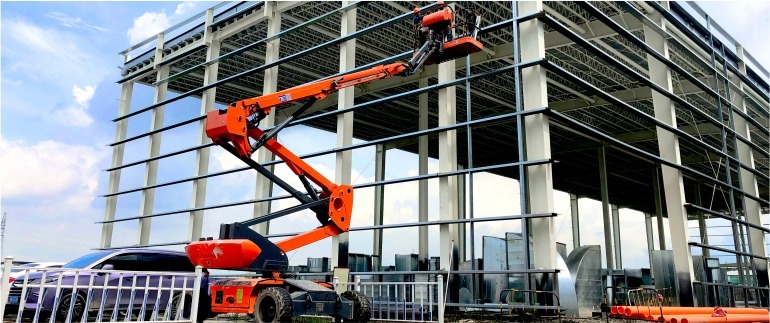
In contrast, articulating boom lifts feature arms that bend, allowing for versatility when navigating around obstacles. This type is particularly beneficial when working near buildings or in tight spaces as the arm can extend over barriers. In addition, some boom lifts are equipped for specific terrains, so depending on whether you need a rough terrain or indoor lift, make sure to choose accordingly. Furthermore, consider weight capacities; different models can support various loads, which can impact the choice based on the materials or tools you plan to lift.
The Mechanics of Boom Lifts: How They Work and Why It Matters
Understanding the mechanics of boom lifts can significantly impact the efficiency and safety of your operation. Boom lifts operate through hydraulic systems, utilizing pumps and cylinders to provide necessary power for elevating the platform. The control mechanisms, often located on the platform, allow operators to maneuver the lift seamlessly up, down, and across distances. Knowing how the hydraulic system works can also aid in troubleshooting potential issues during rental usage.
This knowledge is critical not only for effective operation but for the maintenance of safety protocols as well. Unintended malfunctions can occur if a lift is engaged improperly. Thus, a thorough understanding of the boom lift configuration, its lifting capabilities, and safety systems will pay dividends. Also ensure you are aware of the load limit specifications; exceeding these can lead to equipment failure, compromising both safety and project timelines.
Safety First: Navigating Regulations and Best Practices
Safety is paramount when renting and operating boom lifts. Regulations from organizations like the Occupational Safety and Health Administration (OSHA) dictate the necessary safety practices that must be adhered to. Familiarize yourself with both local and federal safety standards applicable to boom lift operation, as these guidelines will help protect your team and project. Ensuring that operators possess up-to-date certifications can further mitigate risks associated with operating heavy machinery.
In addition, it’s crucial to conduct daily inspections of the equipment before operation. Look for issues like leaks, flat tires, or any mechanical malfunctions that could pose a risk. Furthermore, a safety plan that includes wearing personal protective equipment (PPE), the establishment of secure work zones, and constant communication among team members can enhance workplace safety. Regular safety briefings can be beneficial to preemptively address concerns and prepare the team for unexpected situations.
Finding the Right Rental Company: Tips for Selecting a Trusted Partner
Reputation Check: How to Assess Rental Companies Like a Pro
Choosing the right company to rent a boom lift from requires a strategic approach. Begin with a reputation check; this can include online research, reading customer reviews, and seeking recommendations from peers in the industry. A reputable company will have a proven track record, signaled by positive feedback regarding equipment quality and customer service. Additionally, don’t hesitate to inquire about the company’s history in the industry. A long-standing presence often indicates reliability and a wealth of experience in maneuvering customer needs effectively.
Additionally, inspect the selection of equipment available, focusing on whether the company offers modern, well-maintained lifts. Companies investing in their equipment tend to prioritize safety and performance, which directly impacts your rental experience. Ask about maintenance practices and how they handle repairs, as this can prevent downtime during your project.
Comparing Pricing Models: Decoding the Fine Print in Rental Agreements
When renting a boom lift, understanding the pricing structure is essential for budgeting accurately. Different rental companies may adopt varied pricing models; some charge a flat daily rate, while others may offer weekly or monthly rates, and some even provide hourly rentals. Take the time to read the fine print of rental agreements thoroughly. Look for hidden fees associated with delivery, fuel, or insurance. Understanding these potential costs upfront will help prevent unexpected expenses that can disrupt your budget.
Additionally, it is wise to inquire about potential discounts for long-term rentals or multiple unit rentals. Some rental companies offer loyalty programs or discounts for repeat customers, which can translate into significant savings. Compare quotes from multiple vendors to ensure you receive the most competitive pricing—and remember that the cheapest option is not always the best if it comes with hidden costs or poor service quality.
Customer Service and Support: Why It Can Make or Break Your Rental Experience
Exceptional customer service can significantly enhance your rental experience. Prioritize companies known for providing prompt support, particularly when urgent situations arise. This includes availability of technical support and troubleshooting assistance during your rental period. It’s vital to ask prospective rental companies about their support policies and response times in the event of breakdowns or emergencies.
Additionally, consider the availability of support staff on-site during equipment delivery. A staff member can ensure you understand the equipment’s operation and safety features, helping to mitigate any potential risks associated with unfamiliar machinery. Ultimately, fostering a strong relationship with your rental company can lead to better service and access to resources, thereby smoothening the overall use of your boom lift.
Preparing for the Rental: Practical Steps to Ensure a Smooth Process
Site Assessment: Evaluating Your Space for Boom Lift Access
A comprehensive site assessment is a critical step in ensuring a seamless rental experience. Start with a detailed evaluation of the worksite’s layout—this encompasses analyzing the ground conditions, accessibility points, and any overhead obstacles such as power lines or low-hanging branches. Additionally, you should determine the desired lift height and reach needed for your project. This careful planning can avoid delays and complications after the boom lift arrives onsite.
Make sure to clear the area around where the boom lift will be stationed to ensure sufficient maneuverability. Consider factors like slope grades and uneven surfaces that could affect the lift’s stability or the operator’s ability to navigate the machinery fully. If you’re working in urban environments, securing the necessary permits early can prevent last-minute surprises that could stall your project.
Training Your Team: Essential Skills and Safety Protocols
Investing time in training your team ensures not only operational safety but also project efficiency. Ensure that all operators are trained extensively in both the mechanics and handling of the boom lift. This training should cover topics such as pre-operation inspections, emergency shutdown procedures, and potential hazards unique to the work site. Furthermore, incorporate hands-on practice sessions to give operators experience with the equipment.
In addition, establish clear safety protocols, discussing topics like the importance of wearing appropriate PPE and maintaining clear communication while operating the lift. Regular safety drills can solidify this training in your team’s mind, promoting a culture of safety that resonates throughout your workforce. Ultimately, an experienced and well-trained team is paramount to maximizing the benefits of your rental agreement.
Scheduling and Logistics: Organizing Your Boom Lift Arrival and Return
Effective scheduling and logistical planning significantly influence the success of your boom lift rental. When confirming a rental, establish a detailed timeline that includes the delivery and return dates of the lift. Factor in unexpected delays by allowing for extra time in your schedule. Communicate clearly with the rental company regarding your project timeline; they may be able to accommodate your needs and offer advice on potential scheduling issues based on their logistics experience.
Additionally, coordinate with your team on the lift’s arrival and operation to ensure that the equipment is immediately put to use and that everyone involved is prepared. Developing a clear plan for the return process—requiring cleaning and maintenance checks before sending back equipment—also ensures that you meet rental company standards and avoid additional fees upon return. Attention to these logistical details will enhance the efficiency of your project and reinforce a positive rental experience.
Maximizing Efficiency: Tips for Using Your Boom Lift Like a Pro
Best Practices for Operation: Getting the Most Out of Your Equipment
Operating a boom lift efficiently requires both knowledge and focus. Ensure that users are familiar with the specific controls and functions of the boom lift model being used, as variations exist across models. Operators should start with equipment orientation, including functions for adjusting height, reaching horizontal distances, and rotating the platform. Proper use of these controls not only enhances operational effectiveness but also reduces the risk of accidents.
Moreover, maintain a clean and organized work area to minimize distractions and potential hazards. Incorporate best practices such as proper signaling among crew members, always operating within the defined work zone, and maintaining awareness of surroundings. Encourage teamwork by assigning roles, ensuring everyone understands their responsibilities in relation to boom lift operation. Informing all team members about the operational status of the lift can prevent confusion and enhance overall site safety.
Common Mistakes to Avoid: Lessons from Seasoned Boom Lift Users
No journey into effective boom lift operations is without its pitfalls. One common mistake among novice operators is underestimating the importance of load limits. Exceeding the lift’s capacity is one of the primary causes of accidents and can lead to serious injuries or equipment failure. Additionally, neglecting regular inspections before operation can create problems that are easily avoidable; always verify that safety features such as emergency brakes are functional prior to use.
Furthermore, operators sometimes fail to account for environmental factors such as wind conditions when working at height. Heavy winds can significantly impact lift stability, requiring operators to delay work or secure the area against harsh weather. Clear signage, caution tape, or additional safety measures should also be utilized to protect bystanders within the work zone. By learning from the experiences of seasoned users, you can better prepare your team and ensure a successful rental experience.
Post-Rental Reflections: Evaluating Performance and Planning for Future Projects
Upon completion of your boom lift project, take the time to reflect on the overall experience. Hold a debriefing session with your team to discuss what worked and what didn’t, honing in on areas for improvement in future projects. Evaluate the performance of the equipment itself; was it sufficient for the tasks at hand? Gather feedback from the operators concerning functionality and ease of use, all of which can inform your planning and selection process for future rentals.
Additionally, use this opportunity to assess the vendor’s service. Were they responsive and supportive during the rental process? Would they be a reliable option for future needs? Maintaining a record of these reflections can help streamline future projects, as informed decision-making based on past experiences leads to enhanced efficiencies. Ultimately, the goal is to cultivate a continuous improvement mindset that contributes positively to your organization’s overall productivity and safety culture.
FAQ
Question: What are the key safety features to look for in a boom lift? – Look for features such as emergency stop buttons, tilt alarms, load sensors, and guardrails that enhance safety during operation.
Question: How do I determine the right height for the boom lift I need? – The necessary height depends on your specific project requirements; assess the maximum working height needed and ensure the lift can accommodate that along with any additional reach.
Question: What should I do if the boom lift experiences a malfunction during operation? – Immediately stop using the lift, activate the emergency stop, and alert your rental company for assistance. Never attempt to troubleshoot or repair machinery without proper training.
Question: Are there specific weather conditions that prevent boom lift operation? – Yes, high winds, severe rain, and storms can affect stability and safety; it’s advisable to postpone work in such conditions.
Question: Can I rent a boom lift for indoor use? – Yes, but ensure that you select an appropriate model designed for indoor use, typically a smaller, electric boom lift.
Question: How can I ensure that I am not overburdening the boom lift? – Always check the manufacturer’s load capacity and adhere to it; weigh any materials or tools to be lifted beforehand to ensure compliance.
Question: What are the common rental durations for boom lifts? – Rental durations vary; typically, you can find options for hourly, daily, weekly, or monthly rentals, with many companies offering flexible terms.
Question: What should I include in my rental agreement checklist? – Ensure that your checklist contains pricing details, rental duration, equipment maintenance records, insurance requirements, delivery and return procedures, and any additional fees.
Useful Resources
- Occupational Safety and Health Administration (OSHA)
- National Commission for the Certification of Crane Operators (NCCCO)
- American Rental Association (ARA)
- Aerial Training and Safety
- American Rental Association – Rental Headquarters
- Centers for Disease Control and Prevention (CDC) – Construction Safety
- Safety+Health Magazine
- Industrial Accident Prevention Association (IAPA)
