
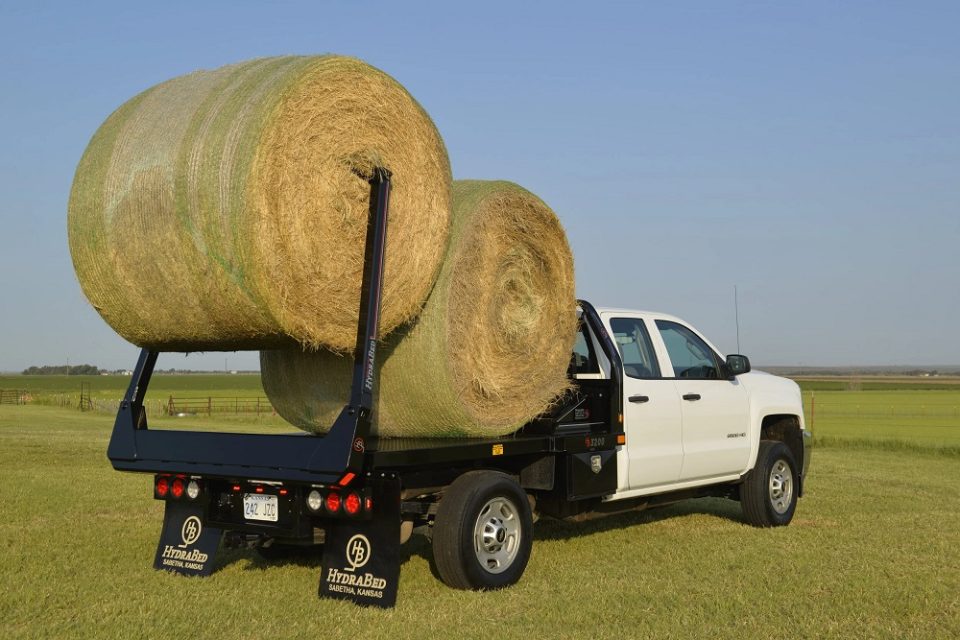
The Mechanics of a Hydraulic Truck Bale Bed: How It Works
Understanding Hydraulic Systems in Agriculture
Hydraulic systems are an essential component in various agricultural machinery, including hydraulic truck bale beds. At their core, these systems operate based on Pascal’s principle, which states that pressure applied to a confined fluid is transmitted undiminished throughout the fluid. This fundamental principle underpins the high efficiency and power output of hydraulic systems by converting a small force applied at one end into a larger force elsewhere in the system. In the context of farming, hydraulic systems allow farmers to manage heavy loads of hay bales more easily and effectively.
A hydraulic truck bale bed utilizes hydraulic cylinders, pumps, and fluid to lift and lower bales with minimal physical effort. The operator can control the hydraulic system from the vehicle’s cab, allowing for seamless operation, enhanced safety, and a significant reduction in manual labor. This system facilitates the transformation of traditional, labor-intensive loading processes into a streamlined and efficient solution suitable for modern farming needs. By allowing for better control and precision, hydraulic systems in bale beds help farmers optimize their operations and reduce workplace injury risks, further enhancing productivity.
The Transformation of Bale Handling Efficiency
The manual handling of hay bales is not only labor-intensive, but it can also increase the chances of injury and equipment damage. Traditional methods of bale loading and unloading typically require multiple workers and time-consuming techniques such as forklifts or hand-loading bales onto vehicles. In contrast, hydraulic truck bale beds revolutionize this process by allowing a single operator to manage heavy loads effortlessly. With the simple flip of a switch, the hydraulics come into play, lifting bales straight from the ground or a stack and positioning them directly onto the truck bed.
This transformation is particularly significant during peak seasons when farmers are juggling a myriad of responsibilities and time is a luxury. Hydraulic truck bale beds can vastly reduce loading and unloading times, allowing farmers to focus on other critical tasks and improve overall farm management. With the ability to rapidly move hay bales, which are vital for livestock feed, farmers can ensure that their animals receive proper nutrition without exhaustive labor or the risk of spoilage due to delays in transport.
Integrating Technology for Optimal Performance
Modern hydraulic truck bale beds go beyond traditional hydraulic systems by incorporating advanced technologies that enhance efficiency and user experience. Many models now feature electric over hydraulic controls, allowing for greater ease of use. These controls can often be operated via remote, providing the operator with the flexibility to position bales precisely while remaining safely away from potential hazards, such as moving machinery or large livestock.
Moreover, data integration has become a game-changer in the agricultural sector, allowing farmers to monitor equipment performance, hydraulic system health, and workload statistics through integrated sensors. This information can lead to better decision-making, enabling farmers to optimize operations based on real-time data. By logging performance metrics, maintenance can become proactive rather than reactive, reducing unplanned downtime and extending the usable life of the hydraulic bale bed. This step toward precision farming can make a significant difference in both productivity and profitability.
Boosting Your Farm’s Productivity: Time-Saving Benefits
Streamlining Bale Loading and Unloading Processes
The efficiency of loading and unloading bales is critical for any farming operation, especially when it comes to maintaining a timely production cycle. Hydraulic truck bale beds streamline these processes significantly. By eliminating the need for manual labor and reducing the time taken to handle bales, farmers can redirect their focus toward other productive aspects of running a farm. With a hydraulic bale bed, an operator can efficiently load and unload bales with precision, making the entire process smoother and quicker.
For instance, instead of spending hours maneuvering a tractor or vehicle into position and dealing with heavy bales manually, the hydraulic system can lift the bales into place with ease. This reduction in handling time means that farmers can spend more time on other activities, such as tending to crops or overseeing livestock, which ultimately leads to improved productivity levels. Furthermore, in times of seasonal rush or during the harvest, this efficiency can make all the difference in managing labor resources effectively.
Maximizing Labor Efficiency Through Innovative Design
In an era where labor shortages pose a significant challenge to the agricultural sector, maximizing labor efficiency is essential for maintaining operational viability. Hydraulic truck bale beds are designed with user-focused features that foster productivity while minimizing the need for extensive labor. With a well-designed hydraulic system, one individual can execute tasks that would usually require multiple workers, thus significantly reducing labor costs.
This innovative design translates to immense savings over time as well. For example, if a farmer can operate multiple machines solo due to the efficiencies that hydraulic truck bale beds provide, the need to hire additional seasonal labor can be significantly minimized. Additionally, the reduction in physical labor leads to a decreased risk of injuries among workers, contributing to a safer working environment. The long-term implications of such efficiency boost are evident not only in lower operational costs but also in enhanced morale and job satisfaction for personnel who can work smarter, not harder.
Case Studies: Farms that Have Transformed with Bale Beds
To illustrate the transformative power of hydraulic truck bale beds, consider several real-world case studies of farms that have embraced this technology. For instance, a mid-sized dairy farm in Wisconsin struggled with the inefficiencies of their traditional bale handling methods. After investing in a hydraulic bale bed, the farm reported an impressive 40% reduction in the time spent on bale handling each week. This freed up labor hours allowed them to focus more on herd management and animal husbandry, leading to increased milk production and overall profitability.
Similarly, a large-scale cattle ranch in Texas noted that the introduction of a hydraulic truck bale bed reduced their cattle feeding time significantly. Previously, it took several workers hours to unload bales from trucks; however, with the new system, one operator could accomplish the same task in a fraction of the time. The cattle benefited from consistent and timely feed delivery, improving their overall health and productivity. These case studies underscore not only the immediate time savings but also the long-term benefits of improved animal health and farm management efficiency that hydraulic truck bale beds can deliver.
Choosing the Right Hydraulic Truck Bale Bed for Your Needs
Key Features to Look for in Hydraulic Bale Beds
When selecting a hydraulic truck bale bed for your farm, it’s crucial to identify key features that align with your operational needs. One of the fundamental features to consider is the hydraulic lift capacity. This is vital since different farms may handle varying bale sizes and weights. Confirming that the lifting capacity meets or exceeds your heaviest bale weight is fundamental to avoiding damage to your equipment or compromising safety.
In addition to lift capacity, ease of use is a significant consideration. Look for beds that offer intuitive control systems, allowing operators of all experience levels to use them effectively. Features such as automatic ejection and a low-profile design can simplify the process further by ensuring that bales drop securely and accurately onto the designated area. Moreover, materials and construction quality should not be overlooked – choosing durable materials can prevent damage from exposure to the elements and extend the longevity of the equipment.
Size and Load Capacity: Finding Your Perfect Match
Every farming operation has its unique requirements concerning size and load capacity. While one farmer might need a bale bed designed for transport, another may require a load capacity suited for feeding directly from the truck. It is crucial to assess your daily operational requirements carefully before making a decision. Pay attention to the dimensions of the bale bed and the maximum load capacity, ensuring they not only meet your current demands but also allow for future growth or changes in operations.
For instance, small farms might benefit from more maneuverable and smaller hydraulic beds, which can easily navigate tighter spaces and smaller fields. In contrast, large farms may require heavy-duty models capable of transporting multiple bales in a single trip, reducing the amount of time spent on transportation. A tailor-made solution ensures that farmers can optimize load efficiency while maintaining control over costs and maximizing their potential returns.
Customization Options for Unique Farming Needs
The ability to customize hydraulic truck bale beds allows farmers to configure their equipment to meet specific needs and challenges. This could involve modifications such as adjustable width or a change in the loading ramp’s angle. Customization extends to the hydraulic system itself, where farmers can opt for either manual or remote controls to suit their preferences and operational requirements.
Moreover, some manufacturers offer the option of integrating additional features such as rotating arms or extended reach capabilities that allow for more versatile hauling and placement of bales. This level of customization ensures that farmers do not adopt a one-size-fits-all solution but instead have equipment tailored to their unique operational challenges. Ultimately, by investing in a hydraulic bale bed that can evolve with your farming practice, you are ensuring long-term viability and productivity for your business.
Maintenance Tips for Longevity and Performance
Routine Checks: Keeping Your Equipment in Peak Condition
To ensure that your hydraulic truck bale bed operates efficiently over its lifespan, regular maintenance is critical. Routine checks should include examining hydraulic fluids for leaks, ensuring the hoses and fittings are tight, and inspecting the hydraulic pump for any signs of wear. Any hydraulic system is only as good as its components; thus, attention to detail during maintenance routines can prevent costly repairs down the line.
Additionally, operators should regularly check the structural integrity of the bale bed itself, looking for signs of corrosion or metal fatigue, particularly in high-stress areas. By keeping up with these checks, farmers can catch potential issues before they become larger problems, allowing for timely repairs that minimize downtime during busy operational periods. Utilizing a scheduled maintenance routine can go a long way in extending the life of the hydraulic truck bale bed while also ensuring that it operates at peak performance levels.
Common Issues and How to Troubleshoot Them
Even with regular maintenance, issues may inevitably arise with hydraulic truck bale beds. Common problems may include hydraulic leaks, insufficient lift power, and operational failure of controls. Recognizing the symptoms of these issues early can save time and prevent accidents. For instance, if an operator notices a decline in lifting power, it may indicate a leaking hydraulic line or a need for fluid replenishment. In such cases, a careful inspection of hoses and fittings should be conducted, followed by necessary repairs.
Moreover, having a troubleshooting guide on hand can be incredibly useful for operators to address common issues quickly and efficiently. Knowledge of common failure points and preliminary steps for diagnosis can empower operators and prevent operational disruptions. If issues persist, seeking professional servicing for the hydraulic system may be necessary to ensure optimal function and safety.
Upgrades and Accessories for Enhanced Functionality
To maximize the utility of a hydraulic truck bale bed, farmers should consider potential upgrades and accessories that can enhance functionality further. Attachments such as bale grapples or forks can expand the capabilities of the bale bed, allowing for more versatility in handling bales and other loads. Implementing enhancements such as backup cameras can also improve safety during operation, making it easier to navigate in tight spaces or crowded areas.
Additionally, integrating advanced digital monitoring systems can provide farmers with a wealth of data about their hydraulic bed’s performance. These systems can offer insights into load distributions, hydraulic efficiency, and maintenance needs, allowing for even greater control over farming operations. Investing in these accessories can result in long-term savings and significantly boost productivity, making it well worth the consideration for any farmer looking to enhance their equipment’s capabilities.
FAQ
Question: What maintenance practices are essential for hydraulic truck bale beds? – Regular maintenance should include checking hydraulic fluids for leaks, ensuring hoses and fittings are tight, and inspecting the hydraulic pump for wear. Structural integrity should also be assessed to catch potential issues early.
Question: Can hydraulic truck bale beds be used for other types of loads besides hay bales? – While primarily designed for hay bales, hydraulic truck bale beds can be adapted to handle other similar loads, depending on the design and specifications of the equipment.
Question: How do hydraulic truck bale beds compare to traditional bale handling methods in terms of cost-effectiveness? – Hydraulic truck bale beds reduce labor costs and time spent on handling, often leading to a net savings in operational expenses over time compared to traditional methods.
Question: Are there specific safety features to look for in hydraulic truck bale beds? – Yes, important safety features include electric over hydraulic controls, backup alarms, and emergency stop buttons that enhance operational safety for users.
Question: What environment conditions should hydraulic truck bale beds be resistant to? – It is essential for hydraulic truck bale beds to have resistance against corrosion, as well as seals and fittings that withstand exposure to various weather elements, ensuring reliable operation over time.
Question: How often should hydraulic fluids be replaced in these systems? – Hydraulic fluids should generally be replaced according to the manufacturer’s guidelines or at least annually, depending on usage frequency and conditions.
Question: Is operator training necessary for using hydraulic truck bale beds? – Yes, operator training is beneficial as it enhances the safe and effective use of hydraulic systems, reducing the risk of accidents and ensuring better productivity.
Question: Can hydraulic truck bale beds be custom-designed for specific needs? – Absolutely, many manufacturers offer customization options that allow farmers to adapt the equipment based on their unique operational requirements and preferences.
Useful Resources
- com
- eXtension
- USDA Farm Service Agency
- USDA National Agricultural Statistics Service
- Penn State Extension
- Cornell University
- University of Nebraska-Lincoln
- Texas A&M AgriLife
