
The automotive industry is often hailed as one of the most transformative forces in modern history. From the early days of horse-drawn carriages to today’s autonomous, electric vehicles, the sector has undergone an unprecedented evolution, driven by technological advancements, consumer demand, and global shifts in societal values. The journey of the automobile, marked by bold innovations, intense competition, and groundbreaking achievements, continues to shape how we perceive mobility and our relationship with the environment. In this article, we explore the key milestones in the evolution of the automotive industry, the forces that continue to drive its progress, and the emerging trends that promise to redefine the future of transportation.
The Birth of the Automobile: Paving the Way for Modern Mobility
The story of the automobile begins in the late 19th century, when engineers and inventors sought to replace the horse-drawn carriage with a more efficient and practical mode of transport. While many inventors experimented with different propulsion methods, it was German engineer Karl Benz who is often credited with creating the first true automobile in 1885. His Benz Patent-Motorwagen, powered by an internal combustion engine, is regarded as the world’s first production car. Benz’s invention, which was initially met with skepticism, would lay the groundwork for the development of the modern automobile.
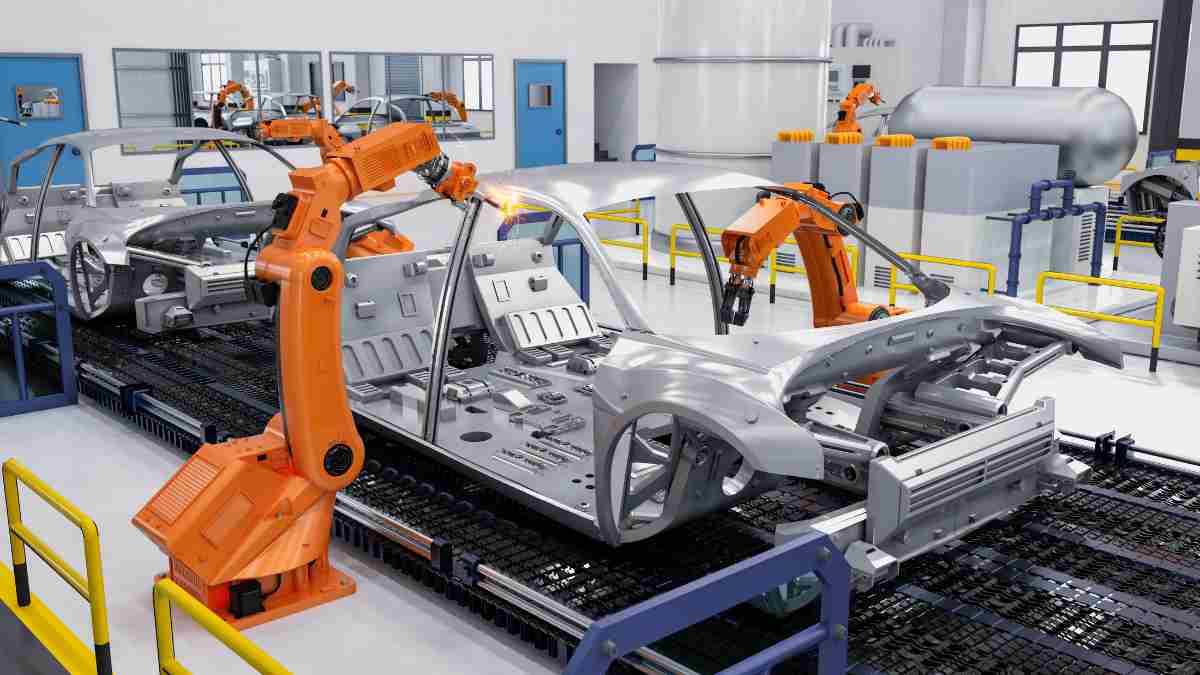
However, it was the introduction of mass production techniques by American industrialist Henry Ford that truly revolutionized the industry. In 1908, Ford introduced the Model T, a low-cost vehicle that was affordable for the average American family. Through the use of the assembly line, Ford was able to dramatically reduce production costs, making the automobile accessible to a much larger segment of the population. The success of the Model T marked the beginning of the automobile’s widespread adoption, not just in the United States, but around the world.
The Golden Age of Automotive Innovation: Performance, Luxury, and Style
As the automobile industry matured, the focus began to shift from mass production and affordability to performance, luxury, and design. The interwar years and the post-World War II era saw a flurry of innovation and competition as manufacturers sought to distinguish themselves in an increasingly crowded market. Automakers like General Motors, Chrysler, and Cadillac introduced a host of new features, from powerful V8 engines to sleek, aerodynamic designs that captured the imagination of car buyers.
This period also saw the rise of iconic brands such as Ferrari, Porsche, and Lamborghini, which catered to the growing demand for high-performance sports cars. These companies focused on engineering excellence, offering cars that were not only fast and powerful but also represented the pinnacle of style and sophistication. The allure of luxury cars became a symbol of status and wealth, and the automotive industry became intrinsically linked to the notions of freedom, success, and modernity.
The Fuel Crisis and Environmental Concerns: The Shift Towards Sustainability
The oil crises of the 1970s and growing environmental concerns forced the automotive industry to confront its reliance on fossil fuels and the environmental impact of traditional internal combustion engines. As oil prices soared and pollution levels reached alarming heights, governments around the world began to implement stricter regulations, including fuel efficiency standards and emissions controls. This prompted manufacturers to rethink their approach to vehicle design, leading to the development of more fuel-efficient cars and the introduction of alternative fuel technologies.
The 1980s and 1990s saw the rise of hybrid vehicles, such as the Toyota Prius, which combined an internal combustion engine with an electric motor to reduce fuel consumption and lower emissions. The Prius, launched in 1997, marked a pivotal moment in the industry’s push towards sustainability, as it demonstrated that it was possible to create a vehicle that offered both performance and environmental benefits. The success of hybrid vehicles paved the way for further innovations, leading to the development of fully electric vehicles (EVs) and the growing interest in renewable energy sources.
The Era of Electric and Autonomous Vehicles: A New Frontier in Mobility
In recent years, the automotive industry has entered an era defined by electrification and autonomy. The development of electric vehicles (EVs) has been driven by advances in battery technology, which have made it possible to produce cars with longer ranges and shorter charging times. Companies like Tesla have played a significant role in accelerating the adoption of EVs, not only by producing cutting-edge electric cars but also by challenging traditional automotive norms and reshaping the industry’s approach to manufacturing and design.
Tesla’s success has inspired other automakers to follow suit, with nearly every major manufacturer, from General Motors to Volkswagen, committing to the production of electric vehicles. The global push towards decarbonization, in response to climate change, has further fueled the transition to electric mobility. Governments are now offering incentives for consumers to purchase EVs, while cities are investing in charging infrastructure to support the growing number of electric vehicles on the road.
Alongside the rise of EVs, the automotive industry is also exploring the potential of autonomous vehicles (AVs). Companies such as Waymo, Uber, and Apple are investing heavily in self-driving technology, with the aim of creating vehicles that can operate without human intervention. While fully autonomous cars are still in the testing phase, the prospect of a future where cars can drive themselves has the potential to transform the way we think about mobility. AVs promise to reduce traffic accidents, improve traffic flow, and create new opportunities for shared mobility services, such as ride-hailing.
The Future of the Automotive Industry: Connectivity, Artificial Intelligence, and Beyond
As the automotive industry moves further into the 21st century, the convergence of new technologies—such as artificial intelligence (AI), 5G connectivity, and the Internet of Things (IoT)—is set to redefine the future of transportation. Vehicles are becoming increasingly connected, allowing drivers to access a wide range of services and features, from real-time navigation updates to remote diagnostics and over-the-air software updates.
AI is also playing a central role in the development of autonomous vehicles, where it is used to process vast amounts of data from sensors and cameras to make split-second driving decisions. Additionally, AI is being used to improve vehicle safety systems, enhance fuel efficiency, and personalize the driving experience.
Moreover, the automotive industry is exploring the possibilities of alternative transportation solutions, such as flying cars, hyperloop systems, and autonomous delivery drones. While these technologies are still in their infancy, they represent the next frontier in mobility, offering the potential to dramatically reduce congestion, enhance convenience, and revolutionize the way goods and people move across the globe.
Conclusion: A Journey of Innovation and Adaptation
The automotive industry’s evolution is a testament to the power of innovation, adaptation, and forward-thinking. From the early days of the Model T to the rise of electric and autonomous vehicles, the journey of the automobile has been shaped by a relentless pursuit of progress and a willingness to embrace change. As we look to the future, the industry will undoubtedly continue to evolve, driven by new technologies, changing consumer preferences, and the urgent need to address environmental challenges. One thing is certain: the next chapter in the history of the automobile will be as exciting and transformative as the last.
