
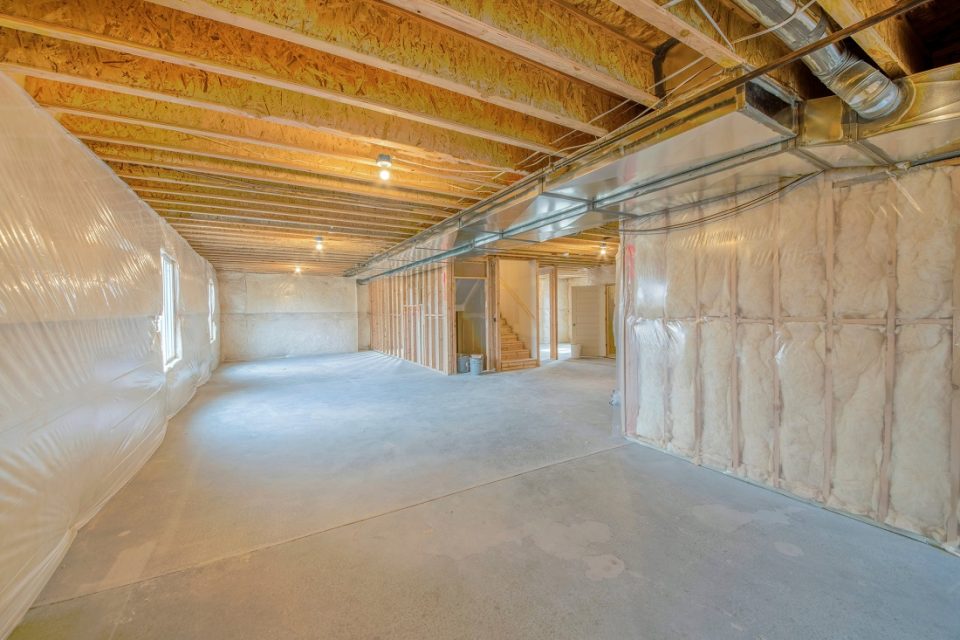
Decades of heavy insulation have hindered construction. Dense boards and thick batts add significant weight without structural benefit. Trucks burn extra fuel hauling this weight around. Workers strain their backs moving it. Yet most people assume good insulation must be heavy. They’re wrong. Air does the real work in stopping heat transfer. Not mass. Not thickness. Just trapped air. Material scientists figured this out years ago and started creating products that weigh almost nothing while performing better than traditional options. The construction industry is finally catching on.
Why Weight Matters More Than Ever
Every pound costs money in construction. Heavy materials require thicker foundations and stronger framing. Trucks must make more trips or use larger vehicles. Installation is slower because of workers’ slower pace with heavy loads.
Heavy buildings suffer more in natural disasters. Earthquakes in California destroy large buildings. Hurricanes in Florida damage heavy roofs. Lighter buildings bend and flex through these events. Heavier ones crack and collapse. Insurance companies have noticed this pattern and adjust premiums accordingly.
Fuel surcharges are hitting construction budgets hard these days. Trucking companies pass along every spike in diesel prices. A load of traditional insulation might cost hundreds extra in delivery fees compared to lightweight alternatives going the same distance. Builders who ignore these costs lose money on every project.
The Science Behind Lightweight Performance
Dense molecules transfer heat well. Hence, metal’s cold touch. It rapidly draws heat from your hand. Spread those molecules apart with air gaps, and heat transfer slows dramatically. This basic physics principle drives modern insulation design. Foam production is now highly advanced. Manufacturers control microscopic bubble size, wall thickness, and cell structure. Each adjustment alters material performance. Some foams reflect radiant heat. Others resist moisture penetration. A few do both.
Research labs keep pushing boundaries further. Epsilyte engineers EPS products with high R-value specifications that match or exceed traditional materials at a fraction of the weight, demonstrating how advanced manufacturing transforms basic plastics into high-performance building components. These materials used to be impossible to produce. Now they’re becoming standard.
Practical Benefits Taking Shape
Ask any installer about carrying fiberglass batts into an attic in July. They’ll tell you horror stories. Now give them lightweight foam boards instead. Watch them smile. Projects that took days now wrap up in hours. Fewer injuries occur. Happier workers do better work. Old houses present unique challenges for energy upgrades. Many can’t support heavy modern insulation without major structural work. Lightweight products slip into existing walls and attics without stressing old framing. Homeowners save money and get better comfort without tearing their houses apart.
Architects love the freedom that lightweight materials provide. Want a dramatic cantilever? No problem. Soaring cathedral ceiling? Easy. Thin wall profiles with excellent thermal performance? Done. Weight restrictions used to kill creative designs. Now almost anything is possible.
Looking Ahead
Next-generation materials sound like science fiction, but they’re arriving soon. Aerogels weigh practically nothing and insulate better than anything else available. Vacuum-insulated panels achieve incredible R-values in tiny thicknesses. Phase-change materials store and release heat to maintain perfect temperatures automatically. Builders who switch to lightweight insulation today position themselves ahead of the curve. Building codes increasingly favor these materials. Customers appreciate lower energy bills and better comfort. Construction crews prefer easier installation. Everyone wins except manufacturers stuck making yesterday’s products.
Conclusion
The transformation has already begun. Walk through any progressive construction site and you’ll see the change. Lighter materials going up faster with better results. This shift represents more than simple substitution. It signals a fundamental rethinking of how buildings come together. Weight held back construction for too long. The future has finally arrived, and it floats.
