
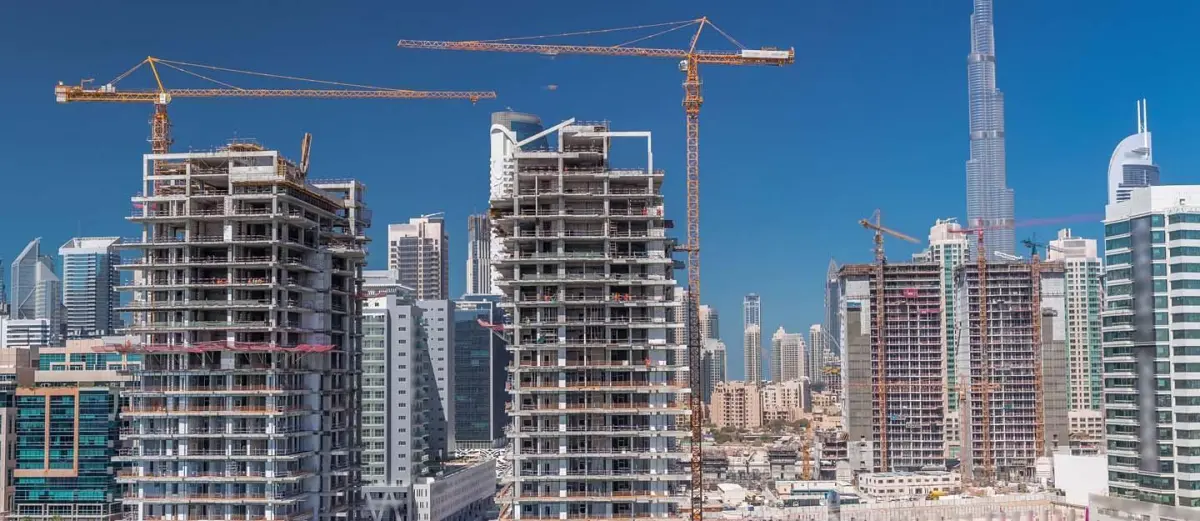
Dubai’s property sector is well known for its dynamic growth, investor-friendly policies, and architectural ambition. Among the most popular avenues for both local and overseas buyers is the off-plan segment. These developments offer a chance to purchase property before it’s completed, often at more attractive prices and with extended payment plans.
As interest in off-plan developments continues to rise, buyers are faced with an important decision: whether to invest in a freehold or leasehold property. When browsing through properties for sale in Dubai, understanding the ownership structure becomes crucial, as it influences everything from your legal rights to long-term investment potential.
What is Freehold and Leasehold Ownership?
Freehold ownership grants the buyer full ownership of the property and the land it stands on, without any time limit. Once a buyer acquires a freehold property, their name is registered on the title deed, and they have full rights to sell, lease, or pass it on to heirs. This model of ownership is especially appealing for those planning to hold the property long-term or to reside in it.
Leasehold ownership, by contrast, grants the right to use the property for a fixed period, typically between 30 to 99 years. Although the property itself can be sold or rented out during the lease period, the land remains under the ownership of the freeholder. After the lease term ends, the property typically reverts to the freeholder unless the lease is extended or renewed.
Freehold in Off-Plan Projects
Dubai introduced freehold zones in 2002, allowing foreign nationals to own property outright in selected areas such as Downtown Dubai, Dubai Marina, and Palm Jumeirah. These zones are now home to some of the city’s most iconic off-plan developments. Buyers can own the property indefinitely, with their name on the title deed, and benefit from full legal protections under Dubai’s property laws.
Off-plan freehold projects also come with added incentives. Developers frequently offer structured post-handover payment plans, waived DLD (Dubai Land Department) registration fees, and early purchase discounts. These perks make freehold off-plan properties especially attractive for investors looking for long-term gains and homeowners seeking flexibility.
Leasehold in Off-Plan Projects
Leasehold properties in Dubai’s off-plan market are more limited in scope, but they still present viable opportunities in selected areas. Certain developments in Dubai Silicon Oasis or Dubai Investment Park may offer leasehold titles where the land is retained by a government or institutional entity. In these cases, the buyer receives ownership of the unit for a set duration, often with the option to renew.
Although leasehold properties typically come with a lower entry price compared to freehold, buyers must weigh the implications of time-limited ownership. Selling a leasehold unit can become more complex as the lease period shortens. Moreover, renewal terms, conditions for subletting, and maintenance responsibilities are often governed by stricter rules, making due diligence essential.
Legal Safeguards and Registration
Whether you choose a freehold or leasehold property, Dubai’s legal system offers a robust framework for safeguarding buyer interests. For off-plan properties, all purchases must be registered with the Dubai Land Department and listed in the Oqood system, which ensures legal traceability throughout the construction phase.
Freehold buyers receive a title deed upon project completion, granting full ownership rights. Leasehold buyers, too, are granted a legally binding contract outlining the lease duration, terms, and renewal options. However, they should scrutinise the agreement for clauses related to lease expiry, subletting rules, and any service charges linked to the landowner or developer.
Resale and Investment Potential
One of the key advantages of freehold ownership is the ability to sell or lease the property at any time without needing further consent. This makes freehold properties highly liquid in the secondary market. Investors benefit from long-term capital appreciation, especially in emerging or premium neighbourhoods with high rental demand.
In contrast, leasehold properties may see reduced resale value as the lease term shortens, especially if fewer years remain. Potential buyers might be cautious unless the lease is close to renewal. However, if the unit is in a popular area and the pricing is competitive, short- to medium-term investors can still realise gains through rental yields and capital appreciation over the lease period.
Which Ownership Type Suits You?
Freehold ownership is best suited to buyers seeking long-term stability, control, and the flexibility to pass property on to future generations. It’s ideal for those planning to reside in the property, use it as a holiday home, or lease it out indefinitely. The security and legal authority that comes with full ownership are particularly appealing for high-value investments.
Leasehold may work better for those seeking a lower upfront cost or investing with a fixed time horizon. It can be attractive in cases where location and amenities are more important than ownership duration. For example, an investor targeting a rental hotspot for a 10–15 year period might prefer leasehold if the return metrics are favourable.
The Evolving Ownership Landscape
Dubai’s property landscape is continuously evolving, and developers are beginning to introduce more flexible models. These include rent-to-own schemes, extended lease periods with renewal guarantees, and even co-ownership structures. These options aim to provide more accessibility to different buyer profiles, including first-time homeowners and international investors.
As the city grows and new districts emerge, both freehold and leasehold ownership models will likely continue to co-exist. Understanding the fine print and consulting with professional advisors will help ensure you choose the right path in a fast-moving, opportunity-rich market.
Final Thoughts
Choosing between freehold and leasehold in Dubai’s off-plan market involves more than just price. It’s about aligning your investment or living goals with the legal and practical benefits of each structure. Freehold offers permanence and flexibility, while leasehold can present value and opportunity under the right conditions.
Whether you’re a seasoned investor or a first-time buyer, knowing the difference helps you make an informed decision when exploring Dubai’s ever-expanding property scene. With so many off-plan properties being launched across the city, there’s never been a better time to weigh up your options.
